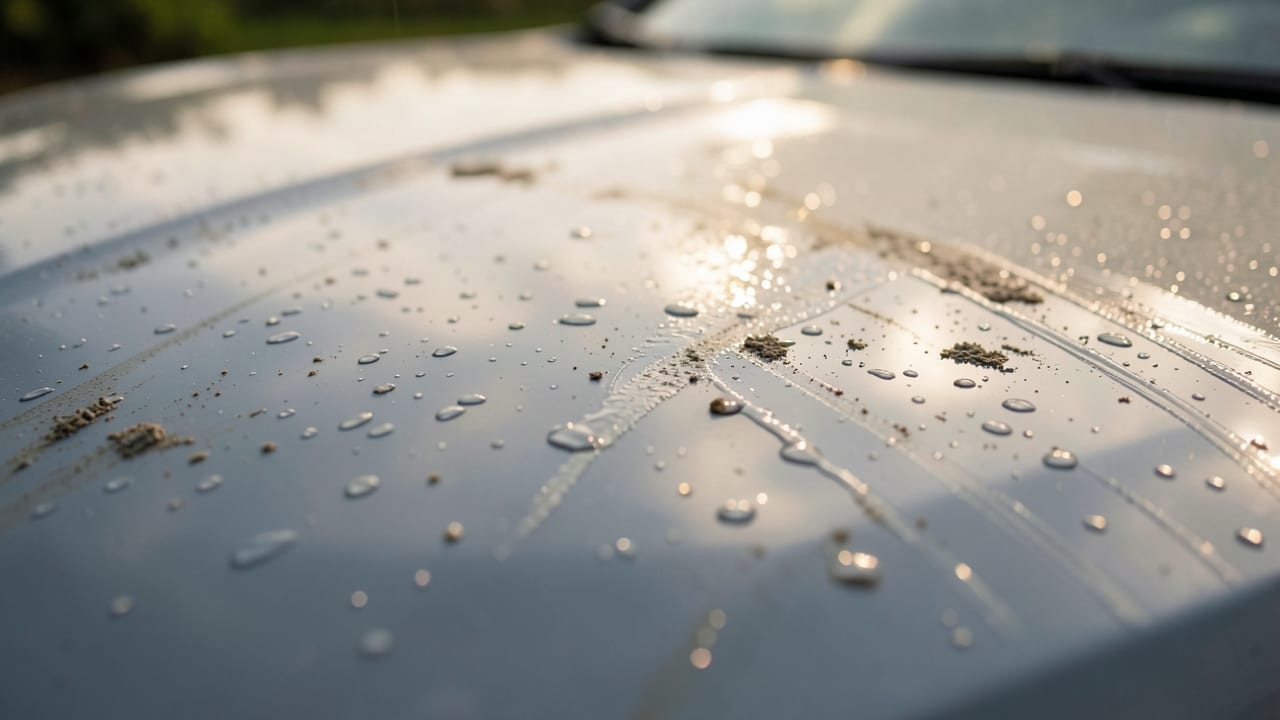
Post-Storm Contaminant Removal
Removal of contaminants from vehicle paint after storms, followed by ceramic coating application.
After a storm in Denver, your vehicle’s paint can trap embedded debris, tar, sap, and industrial fallout that standard washing misses. Post-storm contaminant removal identifies and safely lifts these bonded residues before applying ceramic coatings, restoring paint integrity and protection against future damage.
This process is essential in Denver’s mixed urban and industrial areas, where contaminants like brake dust and overspray are common after heavy winds or rain.
We also handle Acid Rain Etch Removal and Bird Dropping Removal for Denver vehicles.
Why contaminants need special treatment
Not all stains respond to soap and water. Embedded contaminants like tar, tree sap, or iron particles from brake dust chemically bond to paint over time. Using the wrong cleaner can smear them, worsening the finish.
Each contaminant requires a targeted approach—iron removers for brake dust, adhesive solvents for sap, or clay bars for embedded grit—to avoid damaging the clear coat.
Denver’s post-storm conditions often leave behind localized buildup, such as tiny dark specks on lighter paint or bumpy textures that persist after washing. These signs indicate contaminants have bonded below the surface, requiring professional decontamination before any coating is applied.
Skipping this step can lock imperfections into the ceramic layer, reducing its effectiveness.
Signs Your Vehicle Needs Decontamination
- Dark specks or streaks that remain after a thorough wash with soap and water, especially on light-colored paint.
- A gritty or bumpy texture when running a clean hand over the paint—indicating embedded particles.
- Faint shadows or recurring marks in the same spot after wiping, suggesting residual sap or tar.
- Orange or rust-colored specks concentrated behind the front wheels, often from brake dust.
How contaminants affect ceramic coatings
Ceramic coatings are designed to enhance paint protection, but only if the surface beneath is clean and smooth. Applying a coating over unaddressed contaminants can trap them, reducing the coating’s lifespan and leaving a dull, uneven finish.
Proper decontamination ensures the coating bonds to a flawless surface, maximizing its durability and shine.
Post-storm, contaminants like industrial fallout or bird droppings can etch paint if left untreated. These issues often go unnoticed until the coating is applied, at which point they become permanent. Identifying and removing contaminants before coating is critical to maintaining your vehicle’s finish long-term.
| Contaminant Type | Common Sources in Denver | Why It’s Dangerous |
|---|---|---|
| Tar/Sap | Tree branches, urban landscaping | Adheres chemically; can etch paint if not removed promptly. |
| Brake Dust (Iron Particles) | Highway driving, stop-and-go traffic | Embeds into clear coat; causes rust-like discoloration over time. |
| Industrial Fallout | Near factories or construction zones | Fine particles bond to paint; create dull, grainy texture. |
| Bird Droppings | Parking near trees or green spaces | Acidic; can etch paint if not treated within 48 hours. |
Preventing future contamination
While decontamination removes existing contaminants, proactive measures can reduce how often they occur. Parking away from trees that drop sap or areas with heavy industrial traffic minimizes exposure.
Regular washing—every 2–4 weeks—helps catch loose contaminants before they bond, while a spray sealant applied after decontamination adds an extra barrier against new buildup.
Denver’s variable weather means contaminants can reappear quickly after a storm. Addressing them within a day or two, rather than waiting for the next wash, prevents minor issues from becoming deeply embedded. A consistent maintenance routine keeps your vehicle’s finish protected between professional treatments.
How post-storm contaminant removal works
This process safely lifts embedded contaminants without damaging your vehicle’s paint.
- 1Contaminant Identification
Each contaminant—tar, brake dust, sap, or industrial fallout—requires a specific treatment. Technicians inspect the paint under direct light to determine the type and extent of embedded residues before selecting the appropriate chemistry.
- 2Targeted Chemical Treatment
A specialized product formulated for the identified contaminant is applied and allowed to dwell. For example, an iron remover dissolves brake dust particles, while an adhesive solvent breaks down sap or tar bonds without harming the clear coat.
- 3Mechanical Lifting (If Needed)
If chemical treatment alone doesn’t release the contaminant, a clay bar or mitt is gently worked over the treated area with a lubricant to lift remaining particles without scratching the paint.
- 4Rinse and Inspection
The area is rinsed clean, and the paint is inspected under direct light to confirm the contaminant is fully removed. Some residues may appear gone indoors but reappear outdoors, requiring additional treatment.
- 5Protective Follow-Up
A spray sealant or coating topper is applied to restore the paint’s protective layer, which may have been disturbed during decontamination. This step ensures the surface is no more exposed than before the contaminant landed.
Frequently asked questions
How do I know if my vehicle needs decontamination after a storm?
Look for signs like dark specks that persist after washing, a gritty texture when touching the paint, or faint shadows in the same spot after wiping. These indicate embedded contaminants that standard cleaning won’t remove.
Can I use an all-purpose cleaner on embedded contaminants like tar or brake dust?
No. All-purpose cleaners often smear contaminants, spreading them across a wider area. Each type of contaminant requires a specific chemistry—iron removers for brake dust, adhesive solvents for tar—to avoid damaging the paint.
Will decontamination damage my vehicle’s existing ceramic coating?
The process is designed to be safe for coatings, but some contaminants may require gentle abrasives or solvents. Technicians assess the coating’s condition first and use methods that preserve its integrity while removing embedded residues.
How often should I have my vehicle decontaminated in Denver’s climate?
Frequency depends on exposure to contaminants like tree sap, brake dust, or industrial fallout. Vehicles parked near trees or high-traffic areas may need treatment every 6–12 months, while others can go longer if maintained with regular washing and sealants.
Where Denver sits, and what the Census lists nearby
Denver sits in Colorado, and the closest places listed in the U.S. Census Gazetteer are Glendale (5 miles southwest), Four Square Mile (5.6 miles south), Derby (5.8 miles north), North Washington (6.1 miles northwest).
Within 25 miles of Denver the same source lists 82 distinct incorporated places and census-designated places.
Those figures matter for post-storm contaminant removal because they are straight-line distances between Census coordinate points: road mileage between Denver and Glendale runs longer than the 5 miles shown, which is why quotes for the same job differ between towns that look close together on a map.
Source: U.S. Census Bureau Gazetteer.
See Englewood, CO for more, or see what's included in our Denver service side by side for our complete lineup.
Ready to get started?
Talk to a local ceramic coating pro in Denver — get a written quote.
Other Ceramic Coating Services in Denver
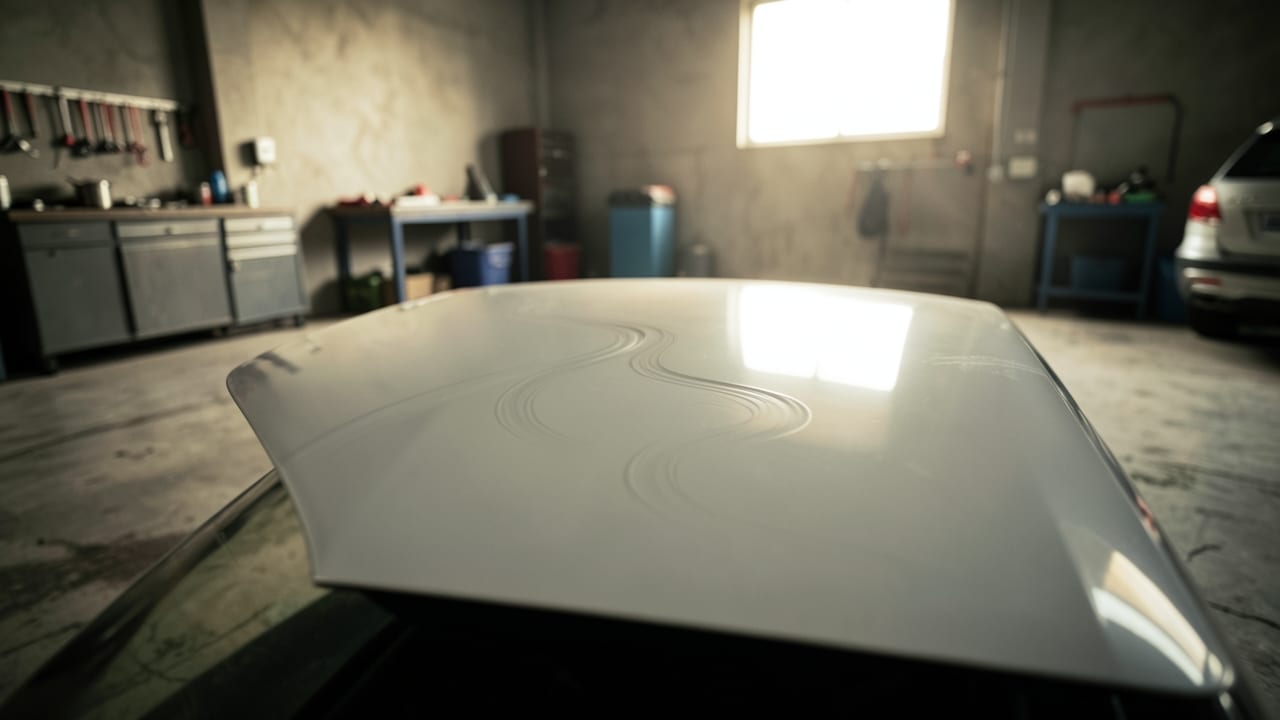
Acid Rain Etch Removal in Denver, CO
Professional removal of acid rain etching from vehicle surfaces using ceramic coatings and paint correction.
Learn More
Bird Dropping Removal in Denver, CO
Professional removal of bird droppings to prevent paint damage and maintain ceramic coatings.
Learn More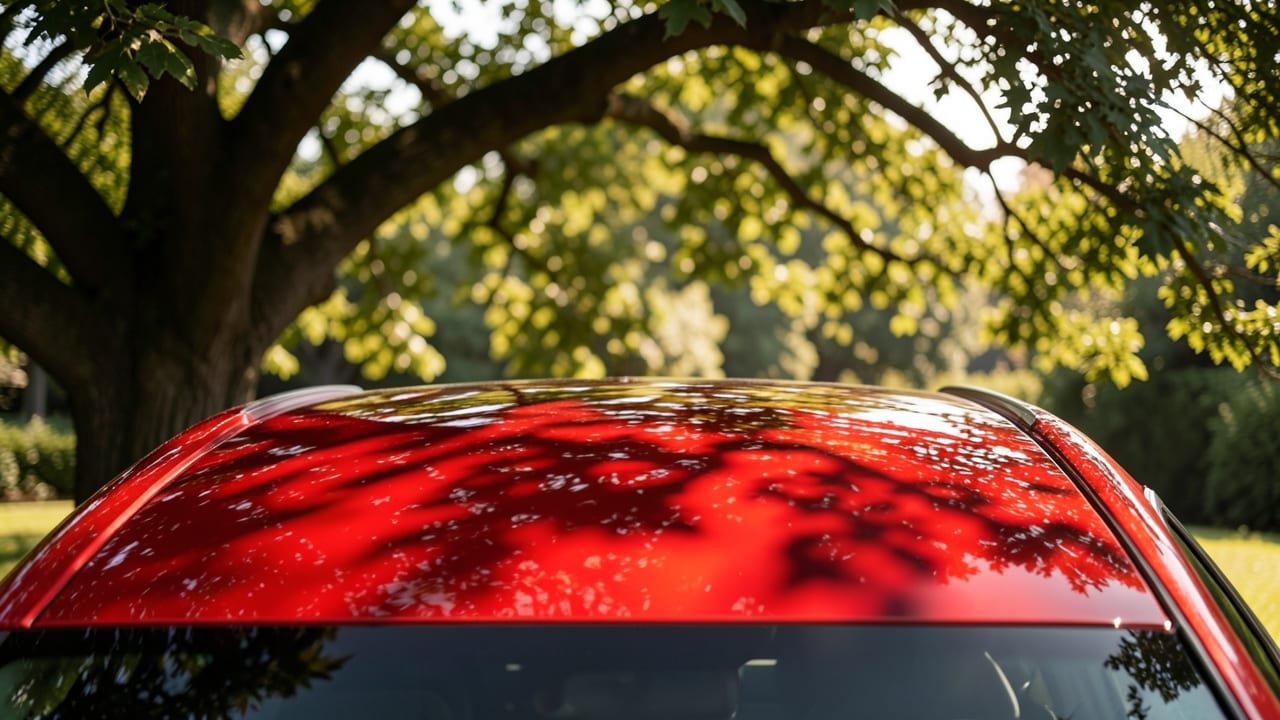
Tree Sap Removal in Denver, CO
Professional removal of tree sap from vehicle surfaces using safe, paint-friendly methods.
Learn More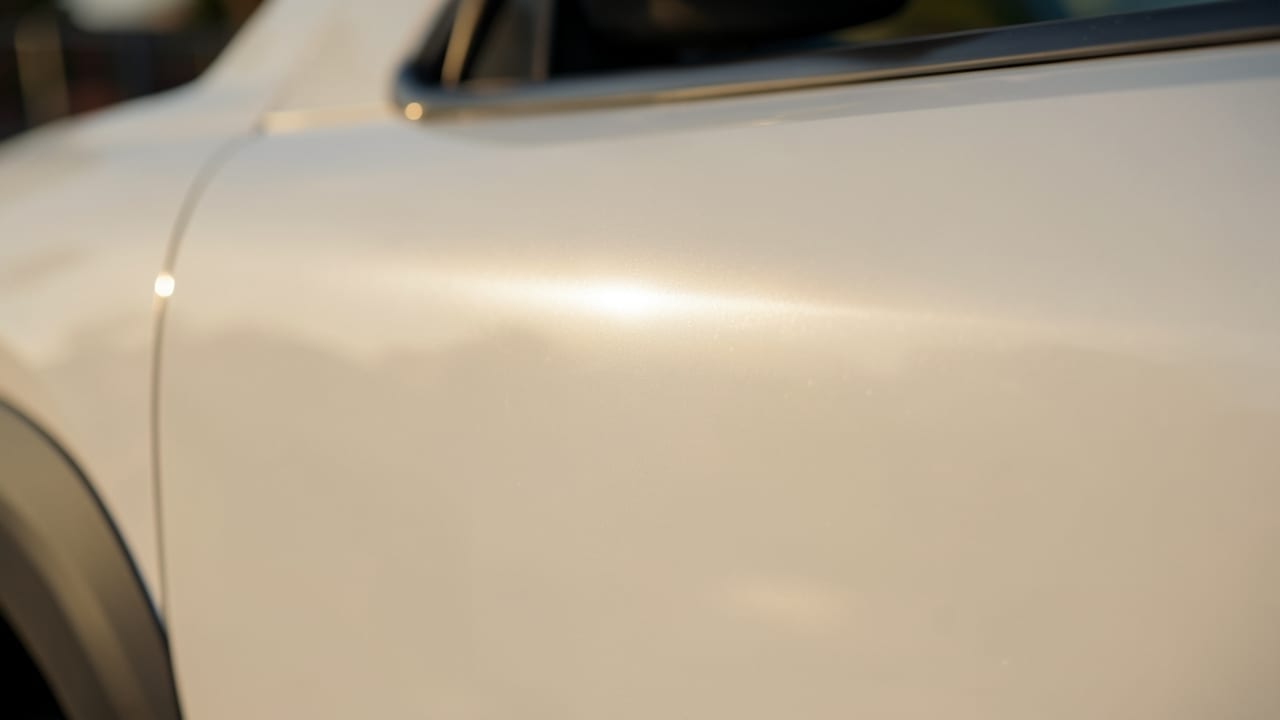
Iron Particle Decontamination in Denver, CO
Removal of embedded iron particles from automotive paint using chemical solutions.
Learn More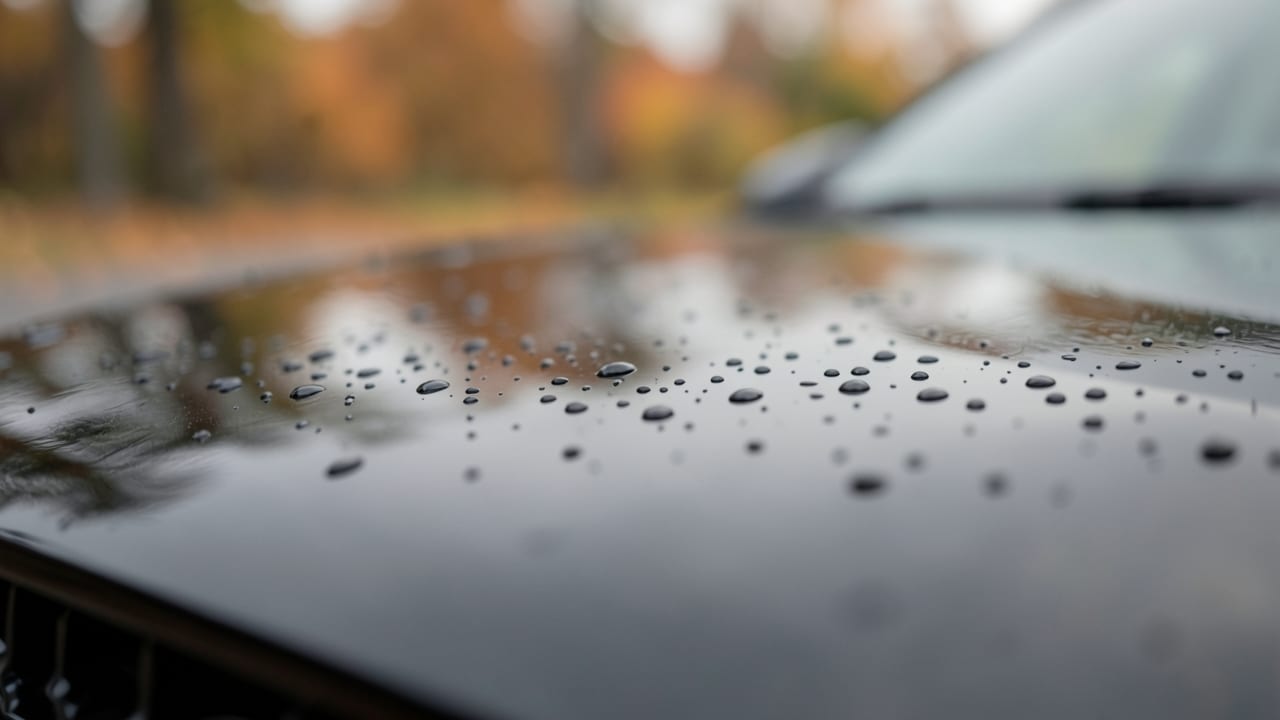
Pre-Winter Paint Sealant Application in Denver, CO
Professional application of ceramic-based sealant to protect vehicle paint before winter.
Learn More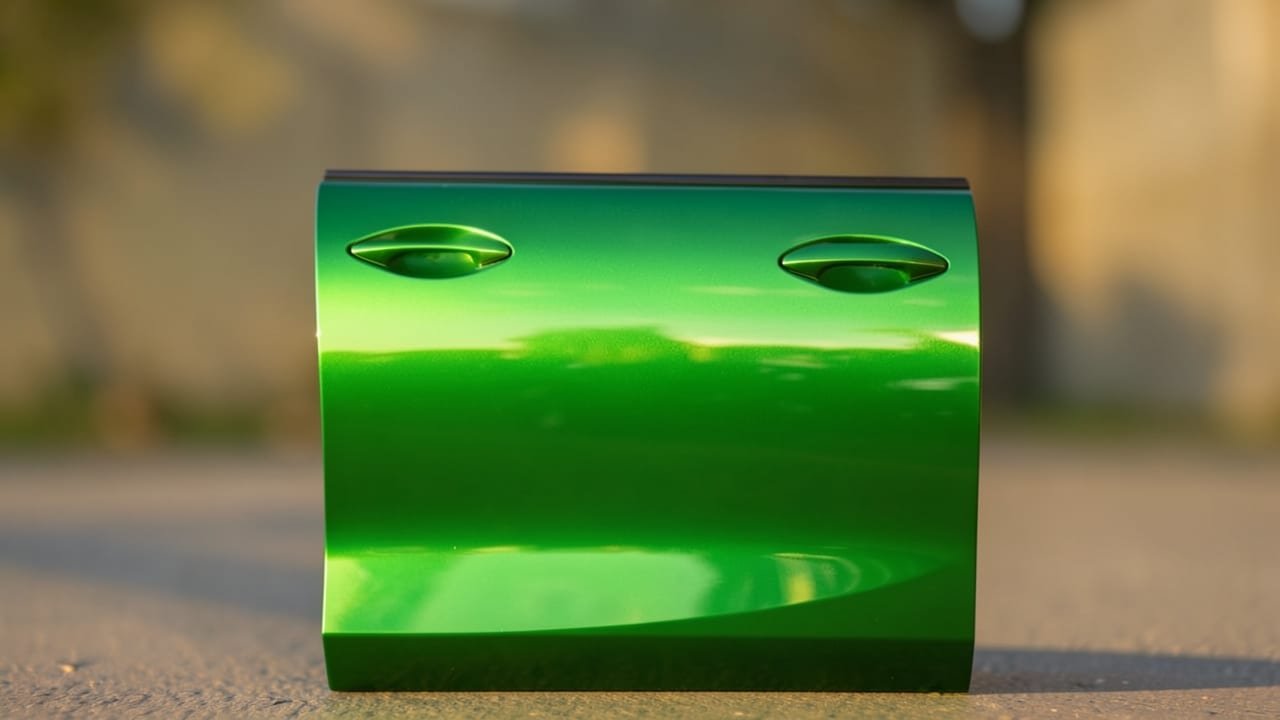
Spring Paint Rejuvenation in Denver, CO
Ceramic coating and paint correction to restore and protect vehicle surfaces.
Learn MoreCommon Questions About Ceramic Coating in Denver
Everything you need to know about ceramic coating services in Denver
How much does Post-Storm Contaminant Removal typically cost in Denver, CO?
Can ceramic coating prevent rock chips on mountain roads around Denver, CO?
How long does a ceramic coating actually last in real-world use?
What is the difference between graphene and SiO2 ceramic coatings?
Does a ceramic coating need to be topped up over time?
Can a ceramic coating be applied over existing swirl marks or light scratches?
Need Ceramic Coating in Denver?
Get a written quote from our Denver crew.
⏰ We answer your call • Serving all of Denver and surrounding areas