Why Paint Correction Adds to Your Ceramic Coating Cost in Ceramic Coating Denver
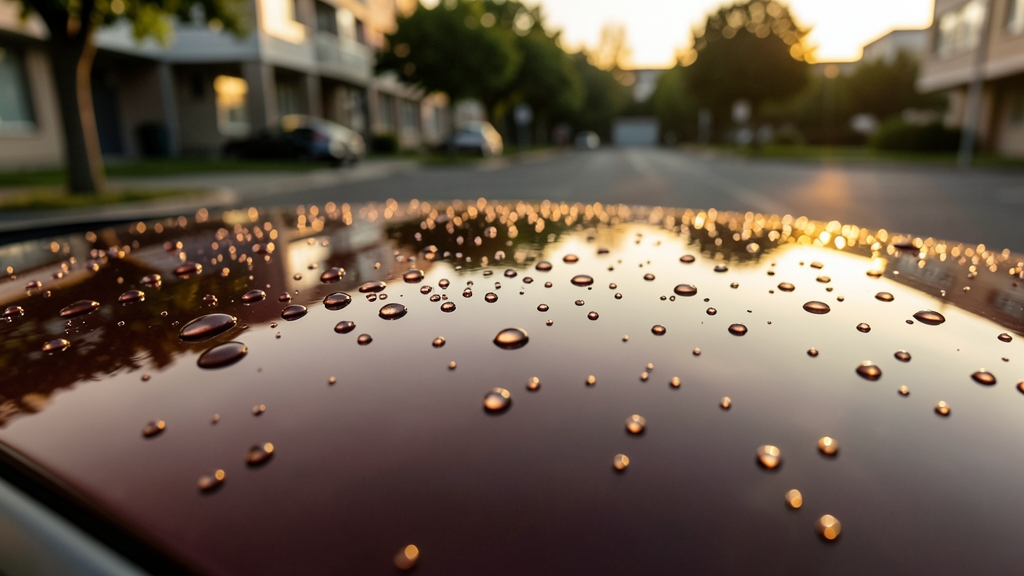
Ceramic coatings bond permanently to your vehicle’s clear coat—so any imperfections get locked in forever. That’s why we always recommend paint correction first. In Denver’s high-altitude sun and harsh winters, skipping this step can waste your investment and leave your finish looking dull under that glossy shield.
Ceramic Coatings Amplify Every Flaw
A ceramic coating doesn’t hide scratches, swirls, or oxidation—it magnifies them. The high-gloss finish reflects light so intensely that even minor defects become glaringly obvious. Without correction, you’re essentially sealing in damage.
Denver’s intense UV exposure and road grit accelerate paint wear. If your clear coat is already compromised, a coating won’t restore clarity—it’ll just preserve the existing flaws.
What Paint Correction Actually Fixes
We use multi-stage polishing to remove swirl marks, water spots, and light scratches. Compound cuts through oxidized paint, while finer polishes restore depth and mirror-like reflection.
For deeper defects like rock chips or etches, we may combine wet sanding with polishing. This ensures the surface is flawless before the ceramic coating is applied.
| Defect | Cause | Correction Method |
|---|---|---|
| Swirl Marks | Improper washing or drying | Fine compound + polishing |
| Oxidation | UV exposure (common in Denver) | Heavy-cut compound + refining polish |
| Water Spots | Mineral deposits from hard water | Clay bar + targeted polishing |
| Light Scratches | Road debris or improper detailing | Compounding + jewelry-grade polishing |
| Holograms | Machine polishing errors | Final finishing polish with low-abrasive pads |
Denver’s Climate Demands Extra Prep
Our high-altitude sun and dramatic temperature swings break down clear coat faster. Paint correction here isn’t just cosmetic—it’s protective. Removing oxidized layers ensures the ceramic coating adheres to a stable, intact surface.
Winter road salt and sand can etch into paint if not removed before coating. We often see vehicles from Aurora and Lakewood with hidden corrosion that needs addressing first.
Applying ceramic coating over contaminated or unstable paint can lead to adhesion failure. In Denver’s climate, this often means premature peeling or bubbling within months.
The Paint Correction Process Step by Step
We start with a thorough decontamination wash to remove embedded grit. Then, we measure paint thickness to determine how aggressively we can correct without risking burn-through.
Next, we use a combination of compounds and polishes tailored to your paint’s condition. The goal is to achieve at least 90% defect removal before coating.
How Correction Affects Ceramic Coating Longevity
A properly corrected surface allows the ceramic coating to bond at a molecular level. This maximizes durability, hydrophobic properties, and that deep, wet look Denver drivers love.
Without correction, contaminants or uneven surfaces can prevent the coating from curing correctly. This shortens its lifespan and reduces performance—especially in areas like Commerce City, where industrial fallout is common.
For vehicles in Wheat Ridge or Englewood with high exposure to road debris, consider Paint Protection Film (PPF) on high-impact areas before ceramic coating. We often combine both for full protection.
Factors That Influence Paint Correction Cost
The size of your vehicle, paint condition, and color complexity (e.g., metallic or pearl finishes) all play a role. Darker colors show defects more readily, often requiring more intensive correction.
Severity of damage is the biggest variable. A lightly swirled daily driver needs less work than a neglected SUV with heavy oxidation. Request a quote so we can assess your paint in person.
What We Assess During Your estimate
- Paint thickness measurements
- Swirl mark and scratch depth
- Oxidation and UV damage levels
- Previous detailing or coating history
- Vehicle usage (daily driver, weekend car, fleet)
Ceramic Coating Without Correction: A False Economy
Some shops offer cheap ceramic coatings without prep to undercut competitors. But in Denver’s conditions, this often leads to disappointment. The coating may look good for a few weeks, but flaws will reappear as the coating wears.
We’ve seen customers from Lakewood and Aurora who paid for coatings elsewhere, only to return for full correction and reapplication. Doing it right the first time saves money—and your paint—long-term.
How to Determine If Your Car Needs Paint Correction Before Ceramic Coating
Not sure if your paint requires correction? Follow these steps to assess its condition.
- 1Wash and Dry Thoroughly
Use a pH-neutral car shampoo and microfiber towels to remove surface dirt. This reveals the true state of your paint.
- 2Inspect Under Direct Light
Park under bright sunlight or a halogen lamp. Run your hand over the paint—if it feels rough, it needs decontamination or correction.
- 3Check for Swirls and Scratches
Look at the paint from different angles. Swirl marks appear as fine, circular scratches, especially on darker vehicles.
- 4Test for Oxidation
Press a piece of tape to the paint, then pull it off. If the tape is yellow or brown, oxidation is present and needs addressing.
- 5Consult a Professional
Bring your vehicle to us for a paint thickness reading and expert assessment. We’ll identify defects invisible to the naked eye.
Frequently Asked Questions
Can I apply ceramic coating over minor scratches in Ceramic Coating Denver?
No. Ceramic coatings won’t fill or hide scratches—they’ll make them more noticeable. Paint correction is required to remove or minimize these defects before coating. In Denver’s climate, even minor scratches can worsen over time if not addressed.
How long does paint correction take before ceramic coating?
A full correction can take 1-3 days, depending on your vehicle’s size and paint condition. We never rush this step, as proper prep is critical for the coating’s performance and longevity.
Will paint correction remove all scratches?
It depends on the depth. Light to moderate scratches can often be fully removed. Deep scratches that penetrate the clear coat may require touch-up paint or PPF before correction and coating.
Is paint correction necessary for new cars in Denver?
Even new cars often have swirls from dealer prep or transport. While they may not need heavy correction, a light polish ensures the ceramic coating bonds to a pristine surface. This is especially true for vehicles delivered to high-altitude areas like Denver.
Does ceramic coating replace the need for wax or sealants?
Yes, but with a caveat. Ceramic coatings provide longer-lasting protection than wax or sealants, but they don’t eliminate the need for maintenance. Regular washes and occasional touch-ups (like our interior ceramic protection or wheel ceramic coating) keep your vehicle looking its best.
Can I do paint correction myself before a professional ceramic coating?
We don’t recommend it. DIY polishing can cause more harm than good if not done correctly—especially with Denver’s thin mountain air affecting paint curing. Improper technique can lead to holograms, burn-through, or uneven surfaces that compromise the coating’s adhesion.