Why Denver Drivers Are Switching from Wax to Ceramic Coating in Ceramic Coating Denver
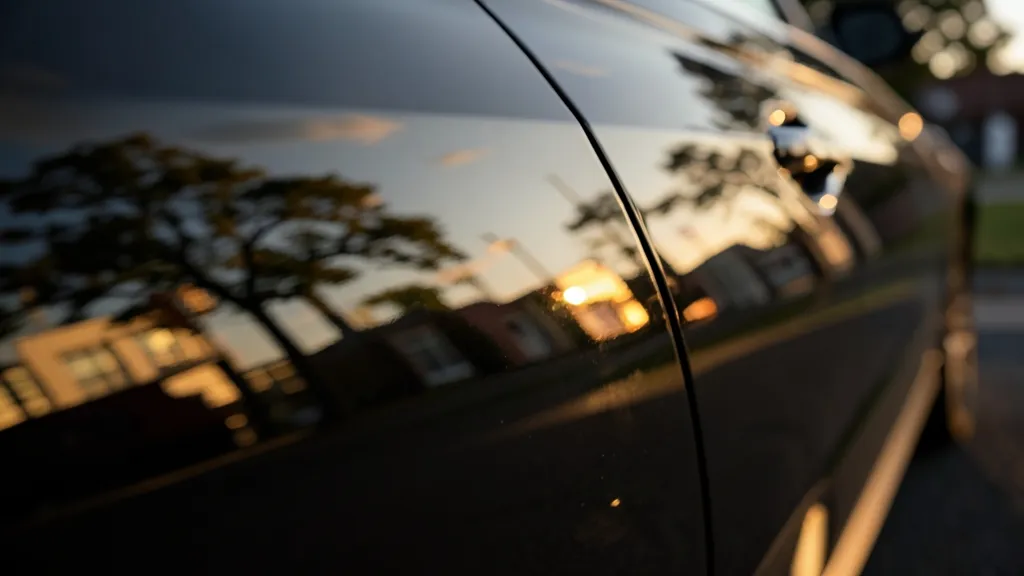
Wax has been the go-to for shine and protection for decades, but Denver’s harsh sun, road salt, and temperature swings demand more. Ceramic coating offers long-term defense and a deeper gloss that wax simply can’t match. Here’s why local drivers are making the switch.
The Limitations of Traditional Wax in Denver’s Climate
Carnauba and synthetic waxes provide a warm, natural shine, but they break down fast under Denver’s intense UV exposure. At 5,280 feet, sunlight is 25% stronger, accelerating oxidation and fading.
Wax lasts 4-8 weeks before needing reapplication. In winter, road salt and magnesium chloride eat through it even faster, leaving paint vulnerable to etching and corrosion.
Wax also struggles with water spotting. Denver’s hard water leaves mineral deposits that etch into clear coat when wax can’t repel them effectively.
Wax can fill in swirls temporarily but traps contaminants. Always start with paint correction before applying ceramic coating for a flawless, long-term finish.
How Ceramic Coating Outperforms Wax in Protection and Longevity
Ceramic coatings bond chemically with your clear coat, forming a hydrophobic layer rated at 9H hardness. This shield resists scratches, bird droppings, and industrial fallout far better than wax.
UV rays bounce off instead of penetrating, preventing fading and oxidation. In Denver’s dry air, this means your paint stays vibrant for 2-5 years with proper care.
The slick surface repels water, dirt, and contaminants, making washes quicker and reducing the risk of swirl marks from improper cleaning.
Ceramic Coating vs. Wax: A Side-by-Side Comparison
The differences go beyond durability. Ceramic coatings enhance gloss, depth, and clarity while providing active protection. Wax, while easy to apply, is a temporary cosmetic fix.
| Feature | Ceramic Coating | Wax |
|---|---|---|
| Durability | 2-5 years | 4-8 weeks |
| UV Protection | High (blocks 99% of rays) | Low (minimal defense) |
| Hydrophobic Properties | Extreme (water beads and sheets off) | Moderate (water beads initially) |
| Scratch Resistance | 9H hardness (resists light scratches) | None |
| Chemical Resistance | Resists road salt, bird droppings, and industrial fallout | Poor (breaks down quickly) |
| Maintenance | Low (easy to clean, less frequent) | High (reapply often) |
| Gloss & Depth | Enhances paint clarity and depth | Adds temporary shine |
Why Denver’s Unique Conditions Favor Ceramic Coating
Denver’s 300+ days of sunshine per year mean your vehicle’s paint is constantly under assault. Ceramic coating acts like sunscreen, preventing UV damage that wax can’t.
Winter brings road salt and sand, which abrasively wear down wax. Ceramic coating’s hardness resists these contaminants, preserving your finish through the season.
Altitude also thins the atmosphere, increasing UV intensity. Drivers in Aurora, Lakewood, and Commerce City notice faster paint degradation without proper protection.
The Role of Paint Correction Before Ceramic Coating
Ceramic coating locks in your paint’s current condition. If swirls, scratches, or oxidation exist, they’ll be sealed in permanently. That’s why paint correction is a critical first step.
Our team uses multi-stage polishing to remove imperfections, restoring your clear coat to a mirror finish. This ensures the ceramic coating bonds to a pristine surface.
Skipping correction leads to a lackluster result. In areas like Englewood and Wheat Ridge, where dust and pollen are prevalent, proper prep is non-negotiable.
Pre-Coating Paint Correction Steps
- Wash and decontaminate with iron remover and clay bar
- Inspect paint under LED lighting for imperfections
- Compound heavy defects (swirls, scratches, oxidation)
- Polish to refine gloss and clarity
- Final wipe-down with IPA to remove oils and residues
Additional Protective Services to Pair with Ceramic Coating
For full-vehicle protection, consider combining ceramic coating with other services. Paint Protection Film (PPF) adds a physical barrier against rock chips and deep scratches on high-impact areas.
Ceramic window tint reduces heat and UV exposure inside your cabin, complementing the exterior coating. It’s a popular add-on for drivers in Lakewood and Aurora.
Wheel and brake caliper ceramic coating prevents brake dust from bonding, making cleanup a breeze. Interior ceramic protection keeps dashboards and leather seats resistant to stains and UV fading.
Maintaining Your Ceramic Coating in Denver’s Climate
Ceramic coating isn’t maintenance-free, but it’s far easier than wax. Wash your vehicle every 2 weeks with a pH-neutral shampoo to prevent contaminant buildup.
Avoid automatic car washes with harsh brushes—they can introduce micro-scratches. Instead, opt for touchless washes or hand-washing with a high-quality mitt.
Use a ceramic-boosting spray every 3-6 months to refresh hydrophobic properties. This is especially useful after winter, when road grime takes a toll.
Always dry your vehicle with a clean microfiber towel after washing. Water spots can still etch if left to evaporate, even on ceramic-coated surfaces.
Common Misconceptions About Ceramic Coating
Some believe ceramic coating makes a vehicle ‘scratch-proof.’ While it resists light scratches, it’s not invincible. PPF offers strong defense against rock chips and deep scratches.
Others assume it’s a DIY job. Professional application ensures even coverage, proper curing, and optimal bonding. Improper application can lead to streaking, peeling, or reduced durability.
Cost is another concern. While ceramic coating is an investment, the long-term savings on wax, detail sprays, and paint corrections justify it for most Denver drivers.
How to Prepare Your Vehicle for Ceramic Coating
Proper prep is 80% of the battle for a flawless ceramic coating application.
- 1Deep Clean and Decontaminate
Wash your vehicle thoroughly with a pH-neutral shampoo. Use an iron remover to dissolve embedded contaminants, then clay bar to lift surface impurities.
- 2Inspect and Assess Paint Condition
Examine the paint under bright lighting to identify swirls, scratches, or oxidation. Note areas that require correction.
- 3Perform Paint Correction
Use a dual-action polisher with appropriate compounds and polishes to remove defects. Work in sections, checking progress frequently.
- 4Final Surface Prep
Wipe down the entire vehicle with isopropyl alcohol (IPA) to remove any remaining oils, waxes, or residues. This ensures a clean surface for bonding.
- 5Apply Ceramic Coating
Work in a controlled environment (50-80°F, low humidity). Apply the coating in small sections using an applicator pad, then level with a microfiber towel.
- 6Cure and Protect
Allow the coating to cure for 24-48 hours. Avoid washing or exposing the vehicle to moisture during this period.
Frequently Asked Questions
How long does ceramic coating last in Denver’s climate?
With proper maintenance, professional ceramic coating typically lasts 2-5 years in Denver. The extreme UV exposure and temperature swings can shorten this slightly, but regular care extends its life.
Can I apply ceramic coating over existing wax or sealant?
No. Wax or sealant must be fully removed before applying ceramic coating. Any residual product will prevent proper bonding, leading to premature failure or uneven protection.
Is ceramic coating worth it for older vehicles in Ceramic Coating Denver?
Absolutely. Older vehicles benefit from ceramic coating’s protection against further oxidation and fading. However, paint correction is often needed first to address existing damage.
Does ceramic coating prevent water spots in Denver’s hard water?
Ceramic coating significantly reduces water spotting due to its hydrophobic properties, but it doesn’t eliminate the risk entirely. Drying your vehicle promptly after rain or washes minimizes spotting.
Can I apply ceramic coating myself, or should I hire a professional?
While DIY kits exist, professional application ensures even coverage, proper curing, and optimal durability. Mistakes in prep or application can lead to streaks, peeling, or reduced effectiveness.
How does ceramic coating compare to Paint Protection Film (PPF) for Denver drivers?
Ceramic coating provides a long-lasting, invisible shield against UV rays, contaminants, and light scratches. PPF offers physical protection against rock chips and deep scratches but is more visible and requires replacement every 5-10 years. Many drivers combine both for ultimate protection.