Ceramic Coating in Highlands Ranch, CO
ceramic coating for Highlands Ranch, CO vehicles — Highlands Ranch is Colorado's most populous unincorporated community (2020 census: 105,631) in Douglas County about 13 miles south of Denver, a master-planned suburb governed by the Highlands Ranch Community Association under a community covenant.
Ceramic coating in Highlands Ranch, CO works the same way it does anywhere else in the Denver coverage area — same scheduling, same pricing basis. Highlands Ranch is Colorado's most populous unincorporated community (2020 census: 105,631) in Douglas County about 13 miles south of Denver, a master-planned suburb governed by the Highlands Ranch Community Association under a community covenant.
Why ceramic coating comes up in Highlands Ranch
Ceramic coatings in Highlands Ranch often fail due to the Area's high-altitude climate, where intense UV exposure and frequent temperature swings degrade the protective layer faster than in milder regions. The snow-melt salt used on roads in winter also accelerates wear, as residue clings to vehicle surfaces and etches into the coating over time. Additionally, the dry air and thin atmosphere amplify UV damage, causing the coating to oxidize and lose hydrophobic properties prematurely. Crews in the area typically address this by ensuring thorough decontamination before application and using UV-resistant formulations to combat the persistent sun and seasonal salt exposure.
We also handle Golden, CO and Littleton, CO for Denver vehicles.
What the work involves, step by step
Foam pre-wash and wheel cleaning. The vehicle gets a foam pre-wash and a separate wheel-and-tire cleaning pass first, using different wash mitts for paint and wheels, since brake dust and road grime carried from the wheels onto the paint surface is a common source of fine scratching in the steps that follow.
Chemical decontamination. An iron remover strips embedded brake-dust particles out of the clear coat, and a tar or bug remover lifts road tar and insect residue, both applied before any mechanical contact with the paint, since these contaminants sit below what a wash mitt alone can reach.
Clay bar treatment. A clay bar or clay mitt is worked across every panel with a lubricant to pull out the remaining bonded contaminants — overspray, industrial fallout — leaving the paint surface physically smooth to the touch, which is the actual test that decontamination is complete.
Paint inspection and correction. The paint is inspected under raking light for swirl marks and light scratches, and a correction polish is run where needed, because a coating applied over existing swirl marks locks that texture in permanently instead of hiding it.
Panel wipe-down. Every panel gets a final wipe with isopropyl alcohol solution immediately before coating, removing any polish or wax residue left behind, since coating bonds to bare clear coat and any oily residue left on the surface is what causes an uneven, patchy cure.
Coating application and cure. The coating is applied panel by panel in a controlled, dust-free space at a specific humidity and temperature range, then left undisturbed for the cure period the product calls for before the vehicle is exposed to rain or a wash.
How to tell the work is needed in Highlands Ranch
Whether a vehicle is due for decontamination and coating shows up in how the paint behaves, not just how it looks parked in the driveway. Water that spreads into a flat sheet instead of beading and rolling off is the clearest sign — it means whatever protection used to be there has worn away and the paint is sitting exposed. Fine swirl marks that only show up under direct sun or a flashlight held at an angle, especially on darker colors, are surface scratches that build up from routine washing and that a coating won't hide unless they're corrected first.
Running clean fingertips lightly across the paint and feeling small bumps rather than a glass-smooth surface means bonded contaminants — brake dust, industrial fallout, tree sap residue — have accumulated on the clear coat. And paint that looks dull or hazy right after a wash, instead of glossy, usually means fine scratching and contamination have built up enough that washing alone no longer restores the shine.
What goes wrong when the work is done badly
Coating over unfinished swirl marks. Skipping paint correction and applying coating directly over existing swirl marks and light scratches does not hide that texture — it seals it in permanently under a hard layer, since ceramic coating is a clear, thin film that follows the surface underneath rather than filling it in.
Bonding failure from residual oils. Any wax, sealant, or polish oil left on the panel from a previous product, or from the correction step itself, prevents the coating from bonding evenly to the clear coat, which shows up later as high spots, streaking, or patches that wear through faster than the rest of the panel.
Curing in the wrong conditions. Applying coating outside the temperature and humidity range the product is rated for can cause it to flash-cure too fast, leaving visible high spots and streaks in the finish that have to be polished back out and reapplied rather than settling on their own.
Water exposure before the cure period ends. Getting the vehicle wet — rain, a wash, even heavy dew — before the coating has fully cured leaves water-spot marks in the surface, since the coating hasn't finished hardening enough yet to resist mineral deposits from standing water.
What keeps the problem from coming back
A coating's long-term performance is set in large part by habits in the first few weeks after it's applied, not just by the ongoing maintenance routine. Adopting the two-bucket wash method and a pH-neutral soap from the very first wash, rather than switching to it later, prevents fine swirl marks and chemical wear that shorten how long the coating keeps performing at its best. Parking in shade or a garage for the first several days, instead of direct sun, gives the coating a more even cure and reduces the odds of the flash-curing and high spots that come from curing too fast in the heat.
Automatic car washes with spinning brushes introduce fine scratching that's more visible on a fresh, glossy coated surface than on older paint, so avoiding them specifically during those first few weeks protects the finish while it's most vulnerable. And rinsing off bird droppings, tree sap, or bug splatter within a day or two of noticing them, rather than waiting for a scheduled wash, protects against the etching those contaminants cause the longer they're left sitting.
What the work costs around Highlands Ranch
Ceramic coating around Highlands Ranch typically falls between $810 and $3,550 per vehicle. The range covers a professionally installed ceramic coating, sedan to SUV. This category is usually sold in tiers by how many years the coating is rated to last — entry tier around two years, mid tier around five, top tier seven or more — and price climbs with the tier.
This is a typical market range compiled from public pricing data for this type of job, not a quote, an estimate, or an offer from any specific provider — the actual cost for a given job depends on its scope, site conditions, and which company ends up doing the work. Source: Fixr / Gloss It Detail Studio / Maryland Clean Rides, 2026.
How to choose who does the work in Highlands Ranch
Does the quote include paint correction before the coating is applied, or coating only? Coating applied over unaddressed swirl marks locks those imperfections in rather than fixing them. Is the full prep chain — wash, decontamination, clay bar, iron remover, panel wipe — specified, or just 'prep' as one line? Skipping steps like iron removal or clay bar leaves contaminants under the coating, which shortens how well it holds up. What coating tier is being quoted — SiO2 vs. graphene, single-layer vs. multi-layer — and what protection length does that tier typically carry in the market? Tiers vary widely in durability and price, so it helps to know exactly which one is being quoted. Is a written explanation of proper post-coating maintenance — wash method, curing window, products to avoid — provided? Incorrect washing during the curing period can compromise how well a coating bonds. Does the quote distinguish exterior paint coating from wheel, interior, or window coating packages? These are often priced and sold as separate add-ons even when marketed together. Is it explained clearly that coating does not stop rock chips or deep scratches? Coatings add hardness against light swirling but not impact protection, and that distinction is where overselling most often happens.
A quote listing 'coating' as a single line item with no breakdown of the prep steps. Prep quality — decontamination, clay bar, iron removal — affects how well a coating bonds, and a bid that skips describing it may be skipping the steps too. A tier described only by price, with no protection length or product type specified. Tiers vary widely in durability, and a price with no spec behind it is hard to compare to another bid. A price dramatically lower than every other quote for the same vehicle and tier. An unusually low price can mean a thinner coating, skipped decontamination steps, or a shorter-lasting product sold as a premium one. No explanation of post-coating maintenance or the curing window. Washing a freshly coated vehicle too soon, or with the wrong products, can compromise how the coating bonds. Any claim that the coating will stop rock chips, dents, or deep scratches. Coatings add surface hardness against light swirling, not impact protection, and a shop that blurs that distinction is overselling what the product does.
Services covered in Highlands Ranch, CO
Work booked through this page in Highlands Ranch covers Fleet & Commercial Vehicle Coating, Convertible Top Protection, Pre-Winter Paint Sealant Application, Paint Protection Film (PPF) Installation, Clay Bar Paint Decontamination, Glass Surface Hydrophobic Treatment, Annual Ceramic Maintenance Wash, Wheel & Brake Caliper Ceramic Coating, and 18 other services listed on the services page.
Highlands Ranch sits inside the standard coverage area, so a quote for ceramic coating follows the same process as everywhere else.
See Fleet & Commercial Vehicle Coating for more, or browse what we cover for Denver vehicles from start to finish for our complete lineup.
Serving Highlands Ranch, CO
Ceramic Coating Services in Highlands Ranch, CO
Headlight Restoration & Coating in Highlands Ranch, CO
Headlight Restoration & Coating for Highlands Ranch, CO vehicles — Highlands Ranch is Colorado's most populous unincorporated community (2020 census: 105,631) in Douglas County about 13 miles south of Denver, a master-planned suburb governed by the Highlands Ranch Community Association under a community covenant.
Learn MoreFleet & Commercial Vehicle Coating in Highlands Ranch, CO
Fleet & Commercial Vehicle Coating for Highlands Ranch, CO vehicles — Highlands Ranch is Colorado's most populous unincorporated community (2020 census: 105,631) in Douglas County about 13 miles south of Denver, a master-planned suburb governed by the Highlands Ranch Community Association under a community covenant.
Learn More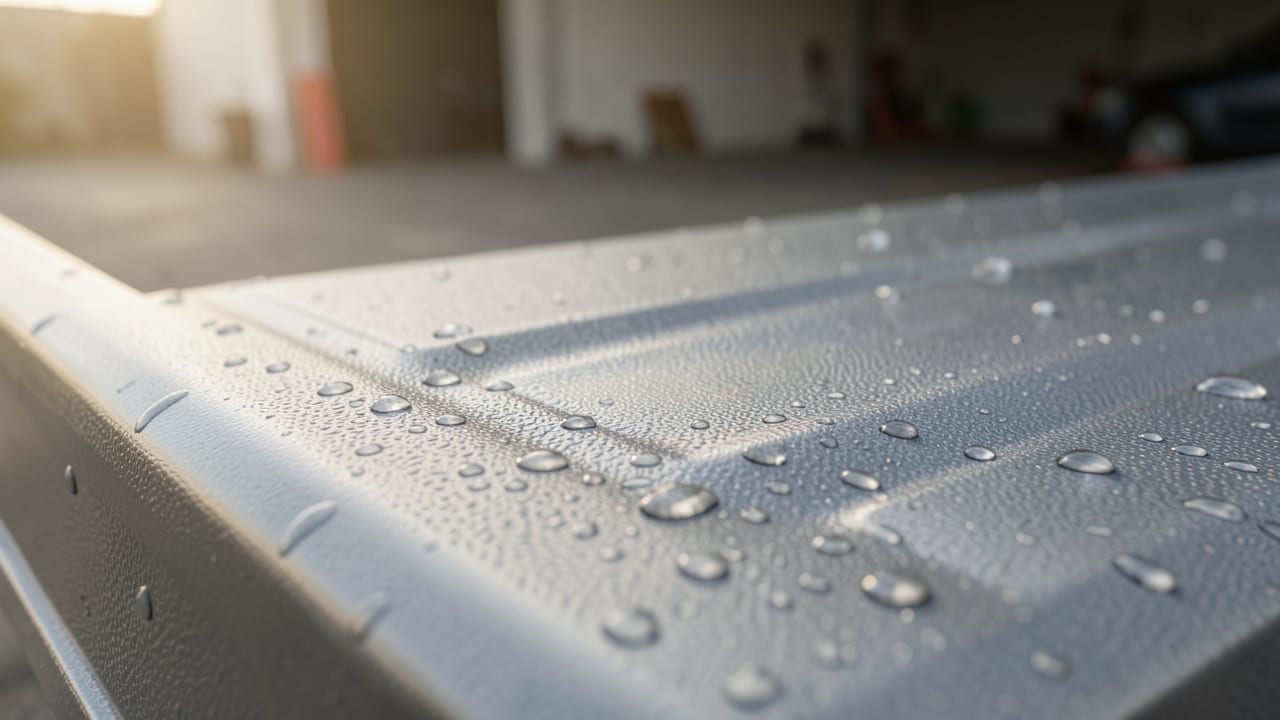
Graphene Coating in Highlands Ranch, CO
Graphene Coating for Highlands Ranch, CO vehicles — Highlands Ranch is Colorado's most populous unincorporated community (2020 census: 105,631) in Douglas County about 13 miles south of Denver, a master-planned suburb governed by the Highlands Ranch Community Association under a community covenant.
Learn More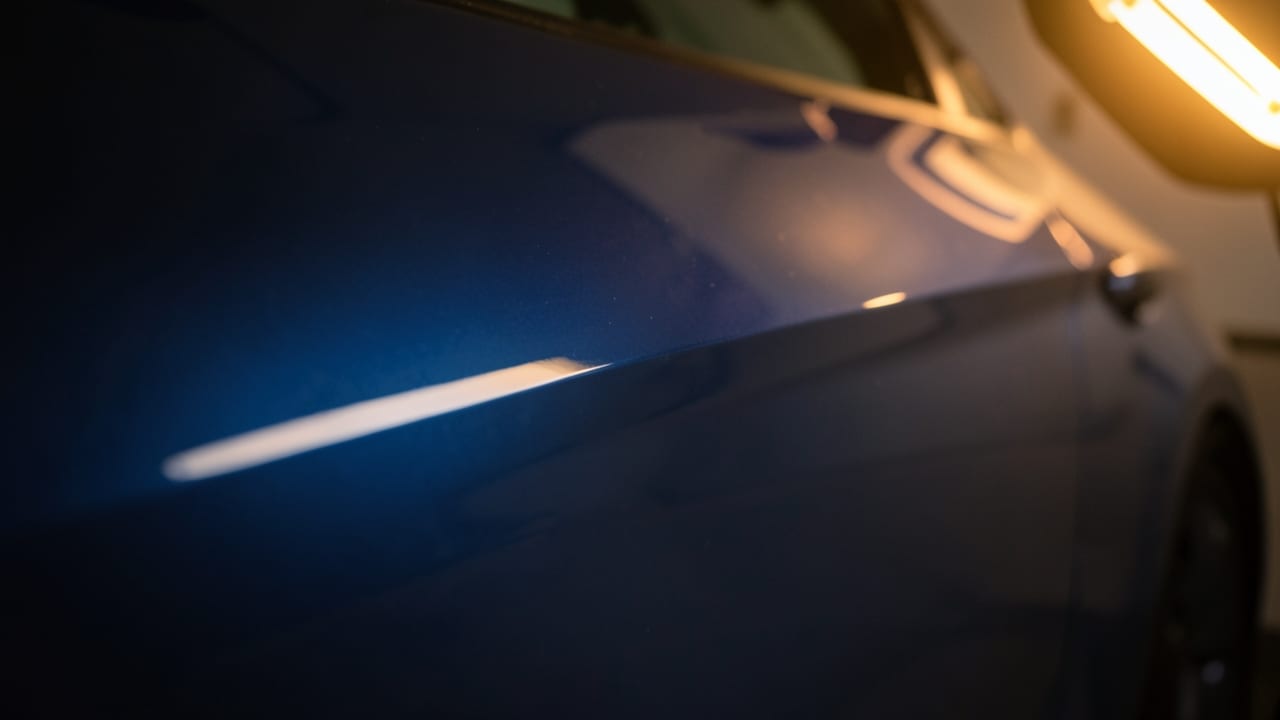
Clay Bar Paint Decontamination in Highlands Ranch, CO
Clay Bar Paint Decontamination for Highlands Ranch, CO vehicles — Highlands Ranch is Colorado's most populous unincorporated community (2020 census: 105,631) in Douglas County about 13 miles south of Denver, a master-planned suburb governed by the Highlands Ranch Community Association under a community covenant.
Learn MoreEngine Bay Detailing in Highlands Ranch, CO
Engine Bay Detailing for Highlands Ranch, CO vehicles — Highlands Ranch is Colorado's most populous unincorporated community (2020 census: 105,631) in Douglas County about 13 miles south of Denver, a master-planned suburb governed by the Highlands Ranch Community Association under a community covenant.
Learn MoreLeather Conditioning in Highlands Ranch, CO
Leather Conditioning for Highlands Ranch, CO vehicles — Highlands Ranch is Colorado's most populous unincorporated community (2020 census: 105,631) in Douglas County about 13 miles south of Denver, a master-planned suburb governed by the Highlands Ranch Community Association under a community covenant.
Learn MoreOther Areas We Cover
Ceramic Coating in Golden, CO
ceramic coating for Golden, CO vehicles — Golden is the Jefferson County seat about 12 miles west of Denver at the foot of the Rocky Mountains, a historic foothills town in a sheltered valley along Clear Creek, home to the Colorado School of Mines and Coors Brewery.
Learn More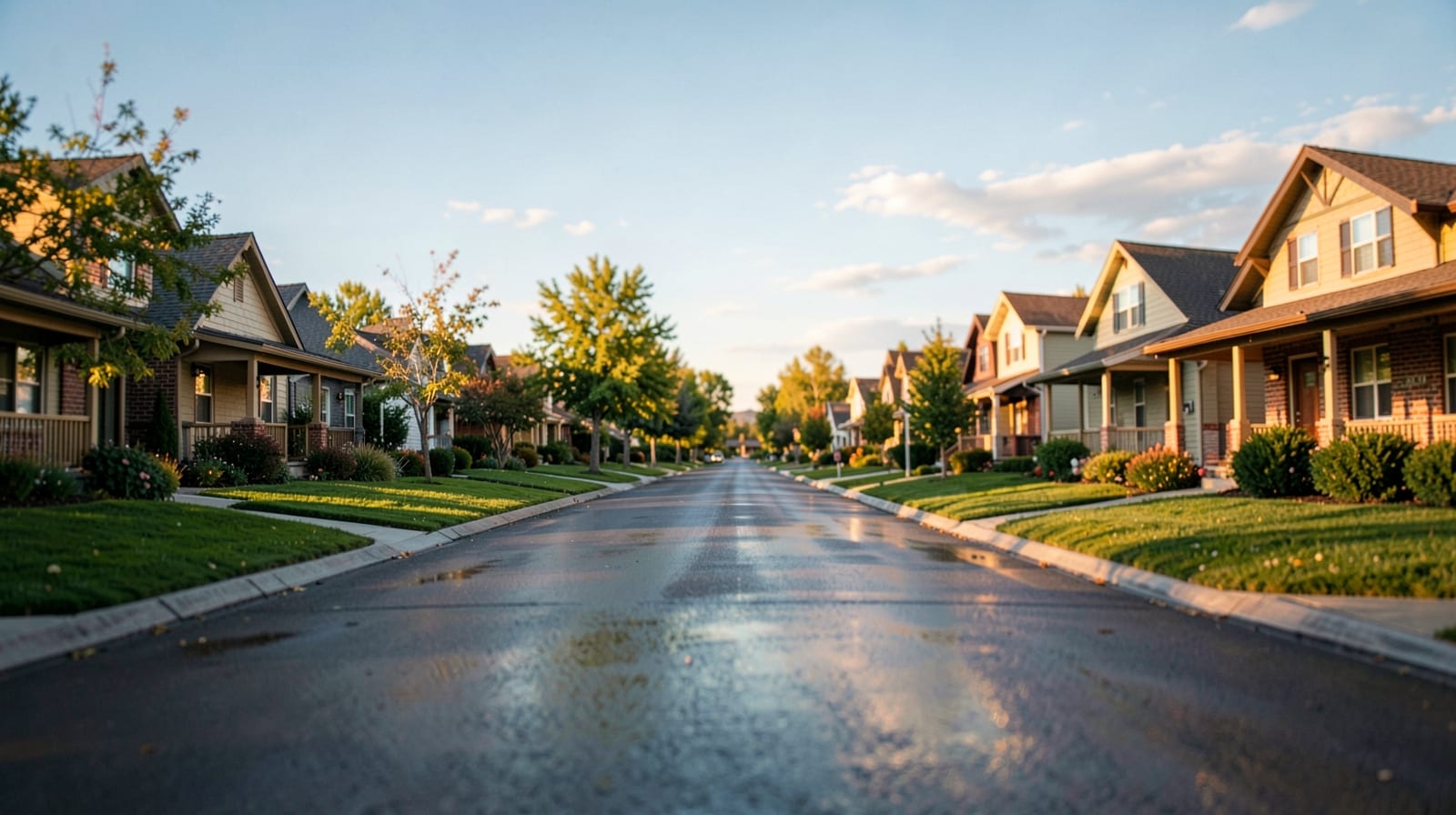
Ceramic Coating in Littleton, CO
ceramic coating for Littleton, CO vehicles — Littleton is the Arapahoe County seat about 9 miles south of downtown Denver (2020 census: 45,652), a historic suburb with a Main Street downtown along the South Platte River.
Learn More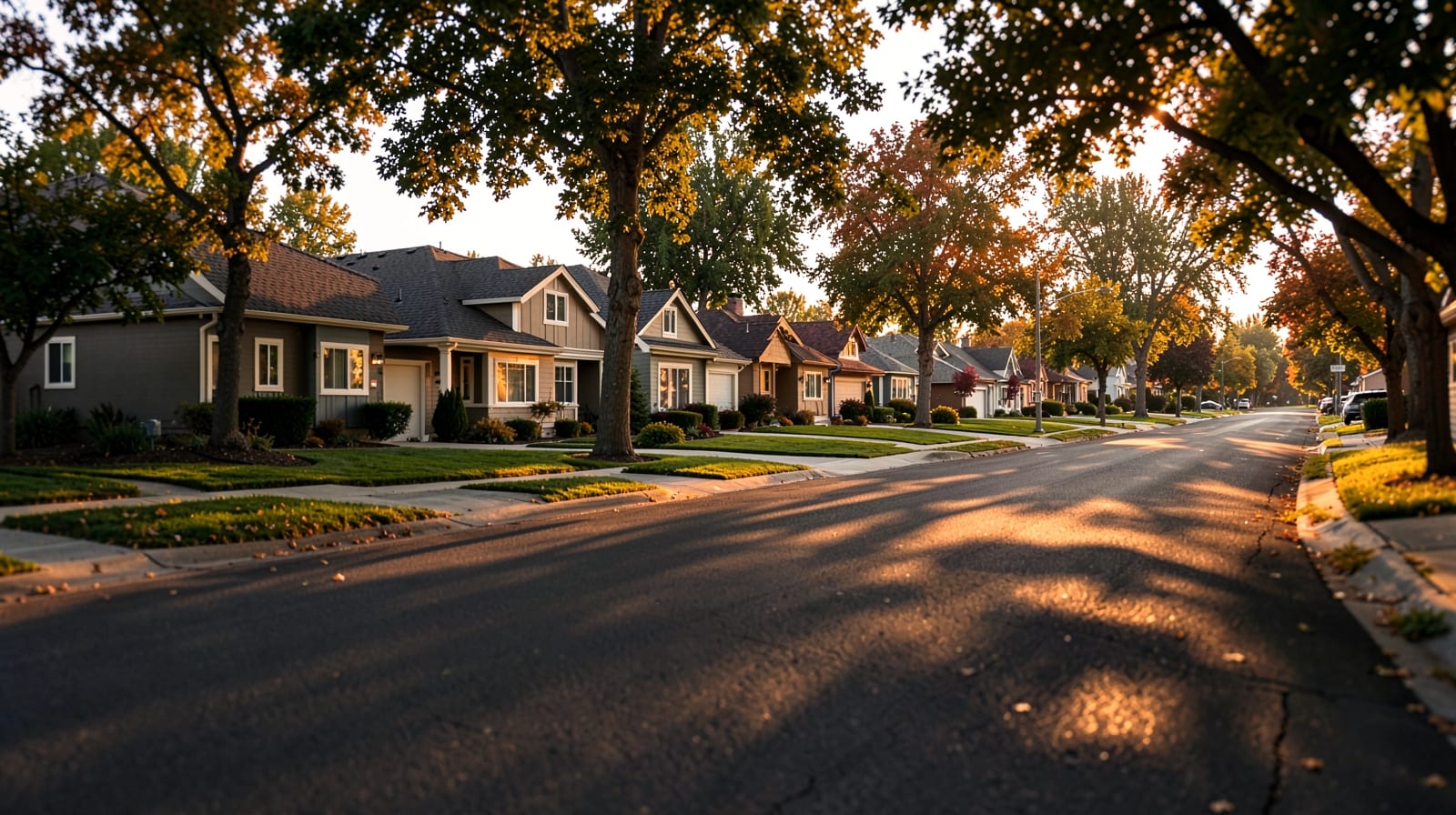
Ceramic Coating in Centennial, CO
ceramic coating for Centennial, CO vehicles — Centennial is a Denver-metro city in Arapahoe County (2020 census: 108,418) incorporated in 2001, a major business hub south of Denver with numerous corporate offices and the Denver Broncos' training facility.
Learn More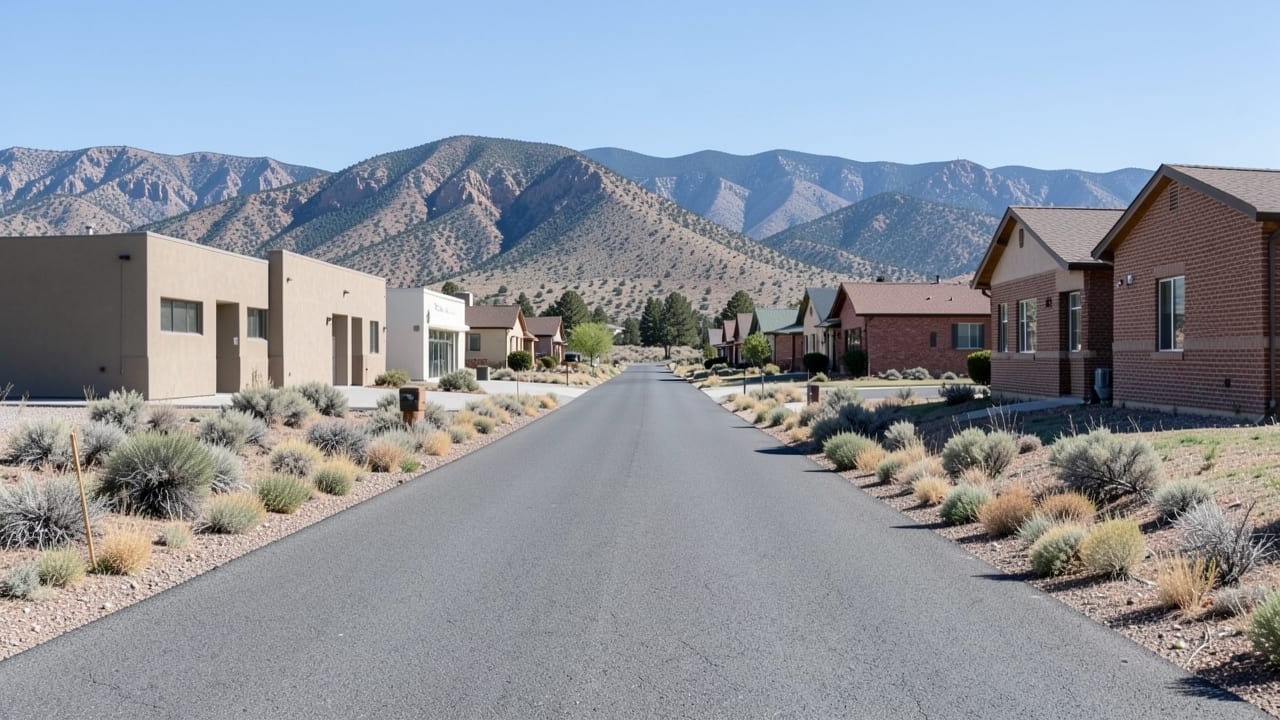
Ceramic Coating in Glendale, CO
ceramic coating for Glendale, CO vehicles — Glendale is a nearby community roughly 5 miles southwest of Denver. The City of Glendale is a home rule municipality located in an exclave of Arapahoe County, Colorado, United States. The city population was 4,613 at the 2020 United States census..
Learn More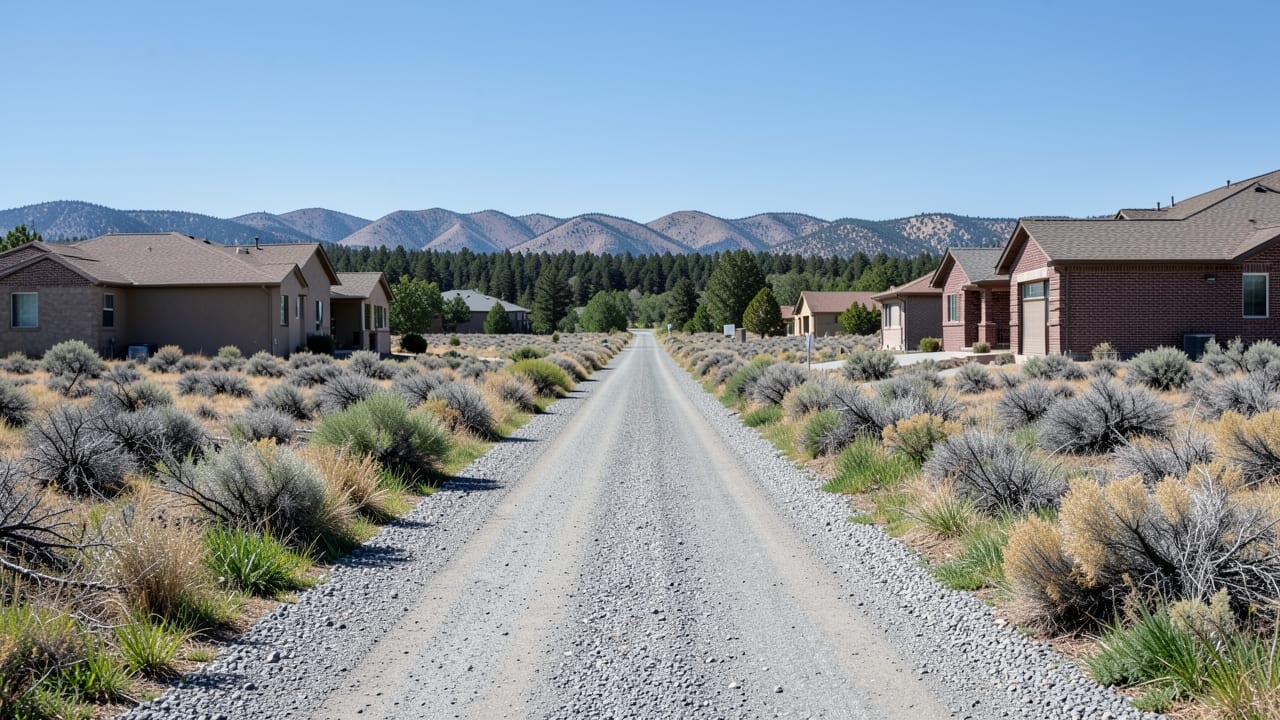
Ceramic Coating in Four Square Mile, CO
ceramic coating for Four Square Mile, CO vehicles — Four Square Mile is a nearby community roughly 5.6 miles south of Denver. Four Square Mile is an unincorporated community and a census-designated place (CDP) located in and governed by Arapahoe County, Colorado, United States. The population was 22,872 at the 2020 census..
Learn More
Ceramic Coating in Derby, CO
ceramic coating for Derby, CO vehicles — Derby is a nearby community roughly 5.8 miles north of Denver. Derby is an unincorporated community and a census-designated place (CDP) located in and governed by Adams County, Colorado, United States. The CDP is a part of the Denver-Aurora-Centennial, CO Metropolitan Statistical Area..
Learn MoreCommon Questions About Ceramic Coating in Highlands Ranch, CO
Everything you need to know about ceramic coating services in Highlands Ranch, CO
How much does ceramic coating typically cost in Highlands Ranch, CO?
Can ceramic coating prevent rock chips on mountain roads around Highlands Ranch, CO?
Will a ceramic coating stop rock chips or scratches?
What's the actual difference between wax, paint sealant, and ceramic coating?
Can ceramic coating be applied at home instead of by a detailing shop?
How long does a ceramic coating actually last in real-world use?
Need Ceramic Coating in Denver?
Get a written quote from our Denver crew.
⏰ We answer your call • Serving all of Denver and surrounding areas