Understanding Ceramic Coating Costs in Denver: What to Budget For in Ceramic Coating Denver, CO
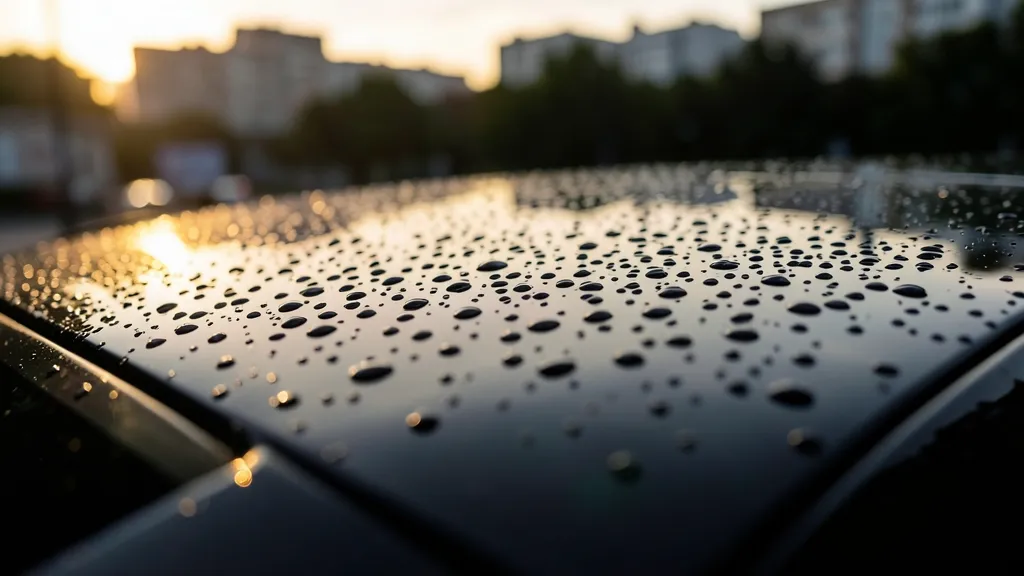
Ceramic coating isn’t a one-size-fits-all service. In Denver’s high-altitude climate, the right coating and prep work can mean the difference between years of glossy protection and premature failure. We break down the real factors that shape your investment.
Why Denver’s Climate Demands Quality Ceramic Coating
Denver’s UV exposure is among the highest in the nation, accelerating paint oxidation and fading. A professional-grade ceramic coating blocks 99% of UV rays, preserving your finish longer than waxes or sealants.
Wild temperature swings—from subzero winters to 90°F summer days—cause paint to expand and contract. Ceramic coatings add a flexible, 9H-hardness layer that resists micro-cracking better than factory clear coat.
Core Cost Drivers: Labor, Materials, and Vehicle Size
Labor is the biggest variable. Full paint correction before coating can take 10–40 hours, depending on swirl depth, oxidation, and vehicle size. Skipping this step risks locking in defects under the ceramic layer.
Material quality varies widely. Consumer-grade sprays cost pennies per ml; professional 9H-rated nano-ceramic polymers (like those we use) deliver 5–7 years of protection but come at a premium.
Larger vehicles (SUVs, trucks, fleet vans in Commerce City or Wheat Ridge) require more product and time. Compact cars in Lakewood or Englewood may need less, but intricate trim and curves can add complexity.
| Vehicle Type | Recommended Layers | Estimated Prep Time |
|---|---|---|
| Sedan / Coupe | 1–2 layers | 8–15 hours |
| SUV / Truck | 2–3 layers | 15–25 hours |
| Luxury / Exotic | 3–4 layers | 25–40+ hours |
| Fleet / Commercial | 1–2 layers (per vehicle) | Varies by condition |
Prep Work: The Hidden 50% of Your Coating Investment
Paint correction isn’t optional for premium results. We use dual-action polishers and fine abrasives to remove swirls, water spots, and etches—especially critical after Denver’s hail season.
Clay bar decontamination pulls embedded iron particles and industrial fallout from your clear coat. Without this, the ceramic won’t bond properly, reducing durability and hydrophobicity.
Improper prep or application can cause streaking, peeling, or uneven curing. Professional installers use climate-controlled bays to prevent dust contamination and ensure even polymerization.
Add-Ons That Enhance Protection (and Your Budget)
Paint Protection Film (PPF) on high-impact areas (hood, bumper, fenders) pairs perfectly with ceramic coating. PPF absorbs rock chips; the ceramic keeps the film looking new. Common in Aurora and Lakewood for daily drivers.
Wheel and brake caliper ceramic coatings resist brake dust and road grime, making cleanup easier. In Denver’s salty winters, this prevents corrosion on expensive alloy wheels.
Ceramic window tint reduces heat and UV by 99% while adding shatter resistance. Interior ceramic protection (dash, leather, plastics) prevents cracking from UV exposure at altitude.
Popular Ceramic Coating Add-Ons
- Full-Vehicle Ceramic Coating (2–4 layers)
- Paint Correction & Polishing (1–3 stages)
- Paint Protection Film (PPF) Installation (partial or full)
- Ceramic Window Tint
- Wheel & Brake Caliper Ceramic Coating
- Interior Ceramic Protection
- Headlight Restoration & Coating
Ceramic Coating vs. Alternatives: Long-Term Value
Wax and sealants last 3–6 months and offer minimal UV protection. Ceramic coatings last 2–7 years with proper care, making them cost-effective over time for Denver drivers.
PPF alone protects against chips but lacks hydrophobic properties and UV resistance. Combining PPF with ceramic coating gives you the best of both: physical protection and self-cleaning ease.
Vinyl wraps change your car’s look but don’t protect the underlying paint. Ceramic coating can be applied over wraps to extend their lifespan and add gloss.
Maintenance: Preserving Your Investment in Denver
Ceramic coatings aren’t maintenance-free. We recommend pH-neutral car shampoos and microfiber wash mitts to avoid scratching. Automatic car washes with harsh brushes can degrade the coating faster.
Annual inspections help catch areas where the coating may be thinning (common on roof and hood due to sun exposure). A maintenance spray can restore hydrophobicity between full re-applications.
For fleet vehicles in Commerce City or Wheat Ridge, regular pressure washing (with proper technique) keeps coatings performing in dusty, high-mileage conditions.
Denver’s road salt and magnesium chloride can etch ceramic coatings if left too long. Rinse your vehicle weekly in winter to prevent buildup and maintain the hydrophobic layer.
Local Considerations: Denver, Aurora, Lakewood, and Beyond
Denver’s altitude means thinner air and stronger UV. Coatings here need to be more resilient than those applied at sea level. We adjust layer thickness and curing times accordingly.
In Aurora and Englewood, industrial fallout from nearby facilities can settle on vehicles. A ceramic coating’s slick surface makes it easier to remove these contaminants before they bond to the paint.
For Wheat Ridge and Lakewood residents, frequent highway driving increases exposure to road debris. Adding PPF to the front end can prevent chips that would otherwise require touch-ups.
How to Get an Accurate Ceramic Coating Quote in Denver
Skip the guesswork—here’s how to ensure your quote reflects your vehicle’s true needs.
- 1Assess Your Paint Condition
Check for swirl marks, oxidation, or water spots. Take photos of problem areas. The worse the condition, the more prep (and cost) is needed.
- 2Decide on Coverage Areas
Full vehicle? Just the paint? Add wheels, trim, or glass? Each adds time and material. Fleet vehicles may need bulk pricing.
- 3Choose Your Coating Tier
Entry-level (1–2 years), mid-range (3–5 years), or premium (5–7+ years). Longer warranties and higher durability increase cost.
- 4Consider Add-Ons
PPF, window tint, or interior protection can be bundled. Ask about package discounts for combined services.
- 5Request an In-Person Inspection
Online estimators can’t account for Denver-specific wear. We’ll evaluate your vehicle’s needs and provide a detailed, quote.
Frequently Asked Questions
How much does Ceramic Coating Denver cost for a typical sedan?
Costs vary based on prep needs, coating tiers, and add-ons. Paint correction, vehicle size, and layer count are the biggest factors. For an exact figure, request a quote after an inspection.
Is ceramic coating worth it for Denver’s hail and sun?
Absolutely. Ceramic coatings won’t stop hail dents, but they prevent UV fading and make PPF (which does protect against hail) last longer. The combo is ideal for Colorado’s extreme weather.
Can I apply ceramic coating over existing PPF or vinyl wraps?
Yes, and it’s a smart move. Ceramic coating enhances PPF’s gloss and hydrophobic properties, while also protecting vinyl wraps from UV damage and staining. We prep the surface thoroughly first.
How long does ceramic coating last in Colorado’s climate?
Professional-grade coatings last 5–7 years with proper maintenance. Denver’s UV and temperature swings can shorten this slightly, but annual care (washing, inspections) maximizes longevity.
Do you offer ceramic coating for fleet or commercial vehicles in Commerce City or Wheat Ridge?
Yes. Fleet vehicles benefit from ceramic coating’s durability and easy cleaning. We offer bulk pricing and can tailor packages for delivery vans, service trucks, or company cars.
What’s the difference between a 1-layer and 3-layer ceramic coating?
More layers mean thicker, more durable protection. A 1-layer coating suits low-mileage daily drivers; 3+ layers are for luxury cars, show vehicles, or those seeking maximum UV and chemical resistance.