The Science Behind Paint Correction Before Ceramic Coating in Denver in Ceramic Coating Denver, CO
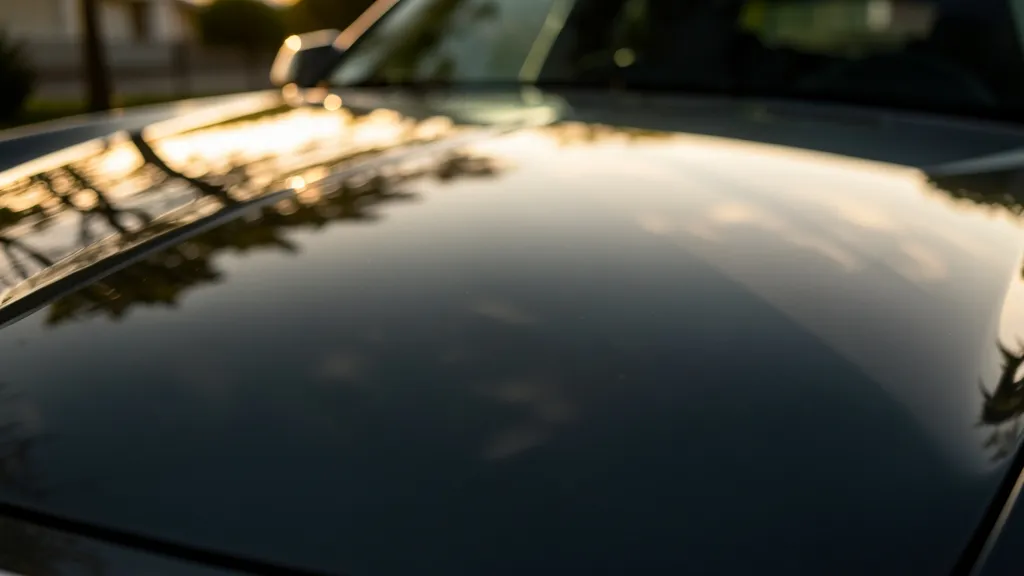
Ceramic coatings bond permanently to your vehicle’s clear coat—but only if the surface is truly flawless. In Denver’s high-altitude sun and harsh winters, paint correction isn’t just a luxury; it’s the foundation for a coating that lasts. We break down the chemistry and process behind this critical prep step.
Why Paint Correction Is Non-Negotiable Before Ceramic Coating
Ceramic coatings create a molecular bond with your clear coat. If swirls, scratches, or oxidation remain, they’ll be sealed in forever—amplified by the coating’s gloss.
Denver’s intense UV and temperature swings accelerate paint degradation. Correction removes these defects so the coating adheres uniformly and performs at its best.
Applying ceramic coating over imperfections traps them under a permanent, glossy layer. The result? A magnified, unfixable mess.
The Chemistry: How Paint Correction Restores Your Clear Coat
Clear coat is a thin, UV-resistant layer over your base paint. Over time, microscopic scratches (swirls) and oxidation dull its reflective properties.
Abrasive compounds and polishes physically level the clear coat, removing defects down to the sub-micron level. This restores clarity and creates a mirror-like surface for the coating to bond to.
Step-by-Step: The Paint Correction Process We Use
We start with a thorough decontamination using a clay bar to remove embedded iron particles, tar, and industrial fallout common in Denver’s urban and suburban areas like Lakewood or Aurora.
Next, we measure paint thickness with a gauge to ensure we don’t remove too much clear coat during polishing. This is critical for older vehicles or those with previous paintwork.
Multi-stage polishing follows, using progressively finer abrasives. A dual-action orbital polisher minimizes heat and swirls, ideal for delicate modern clear coats.
Paint Correction Essentials
- Clay bar decontamination
- Paint thickness measurement
- Multi-stage compound and polish
- Final inspection with a gloss meter
Denver-Specific Challenges in Paint Correction
High-altitude UV in Colorado breaks down clear coat faster than at sea level. This makes oxidation and fading more aggressive, requiring deeper correction in many cases.
Road salt and magnesium chloride used in winter—especially in Commerce City and Wheat Ridge—leave etched marks that demand specialized compounds to remove safely.
Dust from construction and dry climates embeds deeply. A standard wash won’t cut it; clay and iron-removal sprays are a must before polishing.
Paint Correction vs. Waxing vs. Sealants: The Pre-Coating Comparison
Unlike waxes or synthetic sealants, paint correction is a permanent fix for defects. Waxes fill minor scratches temporarily but wear off in weeks.
Sealants last longer than wax but still sit on top of imperfections. Correction physically removes them, ensuring the ceramic coating bonds to a pristine surface.
| Treatment | Longevity | Defect Removal | Bonding Surface |
|---|---|---|---|
| Paint Correction | Permanent (until new damage) | Yes (physical removal) | Flawless clear coat |
| Wax | 4-8 weeks | No (temporary fill) | Top of defects |
| Synthetic Sealant | 4-6 months | No | Top of defects |
| Ceramic Coating | 2-5+ years | No (seals existing surface) | Requires correction first |
How Paint Correction Enhances Ceramic Coating Performance
A corrected surface allows the ceramic coating’s hydrophobic polymers to cross-link fully with the clear coat. This maximizes water beading, self-cleaning, and UV resistance.
Gloss readings often jump 20-30% post-correction. The coating then amplifies this, delivering a depth and shine impossible over a flawed surface.
When Paint Correction Isn’t Enough: The Role of Paint Protection Film (PPF)
Deep scratches or chips may require touch-up paint or PPF before coating. PPF acts as a sacrificial layer, absorbing impacts that would damage the clear coat.
In areas like Englewood with heavy traffic, PPF on high-impact zones (hood, bumper, mirrors) paired with ceramic coating on the rest of the vehicle offers the ultimate protection.
For full protection, combine paint correction, PPF on vulnerable areas, and ceramic coating everywhere else. This setup handles both aesthetics and durability.
Maintaining Your Corrected and Coated Vehicle in Denver
Even with a ceramic coating, regular maintenance is key. Denver’s dust and pollen can reduce hydrophobic properties over time. A pH-neutral wash and annual maintenance spray restore performance.
Avoid automatic car washes with harsh brushes—they can reintroduce swirls. Hand washing or touchless washes preserve your corrected finish and coating integrity.
How to Prepare Your Car for Paint Correction and Ceramic Coating
Proper prep helps achieve great results for your coating—here’s how to set the stage.
- 1Deep Clean the Surface
Start with a foam cannon wash to remove loose dirt, followed by a clay bar treatment to pull embedded contaminants from the clear coat.
- 2Inspect for Damage
Check for deep scratches, chips, or peeling clear coat. These may need PPF or touch-up paint before correction and coating.
- 3Measure Paint Thickness
Use a paint thickness gauge to ensure there’s enough clear coat to safely polish. Thin areas may require special care or exclusion from aggressive correction.
- 4Choose the Right Correction Level
One-step polish works for light swirls; two or three-stage correction tackles deeper defects. Match the process to your paint’s condition.
- 5Final Decontamination
After polishing, use a panel prep spray to remove any remaining oils or residues. This ensures a clean surface for the ceramic coating to bond to.
Frequently Asked Questions
How long does paint correction take before ceramic coating in Denver?
A full correction typically takes 1-3 days, depending on the vehicle’s size and paint condition. Complex jobs with heavy oxidation or deep scratches may require additional time. We always inspect first to provide an accurate timeline.
Can I ceramic coat my car without paint correction?
Technically yes, but the results will be subpar. The coating will seal in all existing defects, making them more noticeable under the enhanced gloss. For a showroom finish, correction is essential.
Does paint correction remove all scratches?
It removes most swirl marks and light scratches within the clear coat. Deep scratches that penetrate the base coat require touch-up paint or PPF. We assess each vehicle to determine the appropriate approach.
How does Denver’s climate affect paint correction and ceramic coating?
The high-altitude sun intensifies UV damage, while winter road treatments accelerate contamination and etching. This means correction often needs to be more thorough, and coatings must be high-quality to withstand these conditions.
Is paint correction included in ceramic coating services?
Not always. Some packages include light correction, but full multi-stage correction is often a separate service. We tailor the process to your vehicle’s needs—request a quote to discuss options.
How often should I reapply ceramic coating after paint correction?
Professional ceramic coatings last 2-5+ years with proper care. Paint correction, however, is a one-time prep step unless new defects develop. Annual inspections help maintain both the correction and coating.