Professional vs DIY Ceramic Coatings: What Denver Drivers Need to Know in Ceramic Coating Denver, CO
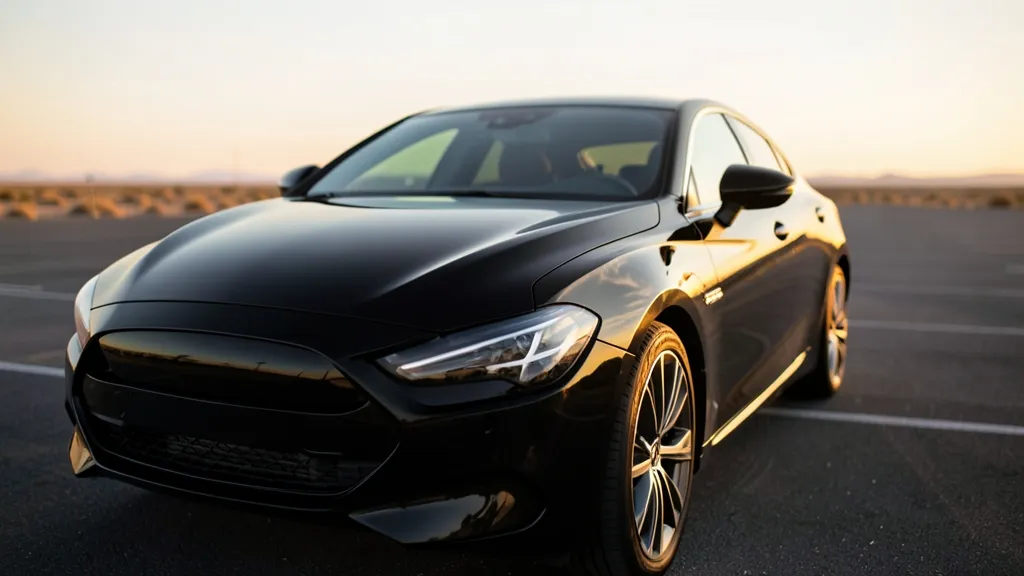
Denver’s high-altitude sun and brutal winters demand serious paint protection. While DIY ceramic coatings promise shine and hydrophobic properties, they rarely match the longevity or defect resistance of a professional application. We break down the real differences—so you can decide what your vehicle truly needs.
Why Ceramic Coatings Matter in Colorado’s Climate
Denver’s 300+ days of sunshine expose paint to intense UV rays that fade and oxidize clear coats faster than at sea level. A quality ceramic coating blocks 99% of UV damage, preventing premature aging and color shift.
Winter brings road salt, sand, and temperature swings that expand and contract paint. Ceramic coatings create a sacrificial barrier, reducing micro-scratches and chemical etching from de-icing agents common on I-25 and US-36.
Professional Ceramic Coating: Precision and Longevity
Our team starts with meticulous paint correction—removing swirls, holograms, and oxidation with multi-stage polishing. This step is non-negotiable; coatings amplify imperfections, not hide them.
We use industrial-grade nano-ceramic polymers with higher solids content (70-90%) for deeper cross-linking. Proper curing under controlled conditions ensures a harder, more durable finish that lasts 5-7 years, not months.
Professional installations include layered applications for wheels, calipers, and trim. Areas like Aurora and Lakewood see heavy brake dust; dedicated ceramic coatings for wheels resist iron contamination far better than spray-on DIY products.
Always measure paint thickness before correction. Thin clear coat on older vehicles may require Paint Protection Film (PPF) instead to avoid burning through.
DIY Ceramic Coatings: The Limits of Convenience
Consumer-grade ceramic sprays and paste coatings contain lower solids (10-30%) and lack the molecular density for long-term bonding. Most wash off within 6-12 months under Denver’s harsh conditions.
Without professional paint prep, DIY applications often trap contaminants under the coating, leading to water spotting and premature failure. Even minor dust or oils can prevent proper adhesion.
Application errors—uneven layers, missed spots, or improper flash times—result in streaking, hazing, or reduced hydrophobicity. These mistakes are permanent until the coating degrades or is professionally removed.
DIY ceramic coatings applied over existing wax or sealants will not bond correctly. Full decontamination with iron removers and clay bars is mandatory before any application.
Durability and Performance: A Side-by-Side Comparison
The gap between professional and DIY coatings becomes clear under real-world stress. Professional coatings resist bird droppings, tree sap, and industrial fallout—common in Commerce City and Wheat Ridge—without staining.
Hydrophobic properties in pro coatings cause water to bead and sheet off at higher contact angles (110°+), reducing water spotting. DIY products typically achieve 80-90°, leading to more frequent maintenance.
| Factor | Professional Ceramic Coating | DIY Ceramic Coating |
|---|---|---|
| Durability | 5-7 years | 6-18 months |
| Solids Content | 70-90% | 10-30% |
| UV Protection | 99%+ blockage | Moderate (varies by brand) |
| Hydrophobicity | 110°+ contact angle | 80-90° contact angle |
| Paint Prep Required | Full correction & decontamination | Basic wash (often insufficient) |
| Resistance to Chemicals | High (pH 2-12) | Low to moderate |
| Application Skill | Skilled technician | Consumer (error-prone) |
The Hidden Costs of DIY Ceramic Coatings
Upfront savings on DIY kits are often offset by the need for frequent reapplication. In Denver’s climate, you may reapply every 6-12 months to maintain protection, adding up in both time and product costs.
Mistakes can be costly. Incorrect removal of a failed DIY coating may require professional compounding, risking damage to thin paint—common on vehicles from Englewood to Wheat Ridge.
DIY coatings lack coverage. Professional installations include protection for defects, giving you peace of mind against premature failure.
When DIY Might Make Sense
For newer vehicles with flawless paint, a high-quality DIY ceramic spray can add temporary gloss and hydrophobicity. These are best for enthusiasts who enjoy detailing and can commit to proper prep.
DIY products work well for touch-ups on previously coated vehicles. A ceramic boost spray can refresh hydrophobicity between professional maintenance washes.
Budget constraints may lead some to DIY, but we recommend starting with a professional Paint Protection Film (PPF) on high-impact areas (front bumper, hood) and DIY ceramic on lower-risk panels.
DIY Ceramic Coating Checklist
- Perform a thorough 2-bucket wash with iron remover and clay bar
- Inspect paint under halogen lights for swirls or defects
- Test a small area to confirm compatibility and bonding
- Apply in a dust-free, temperature-controlled environment (60-80°F)
- Allow 24-48 hours for initial curing before exposure to water
Complementary Services for Maximum Protection
Ceramic coatings pair perfectly with Paint Protection Film (PPF) for ultimate defense. PPF absorbs rock chips and scratches on high-impact zones, while ceramic coatings add gloss and chemical resistance to the rest of the vehicle.
For full protection, consider ceramic window tint to block UV and IR rays, reducing interior heat and fading. Wheel and brake caliper ceramic coatings prevent brake dust from baking onto surfaces, a common issue in stop-and-go Denver traffic.
Interior ceramic protection and headlight restoration with ceramic sealing round out a comprehensive detail. Fleet and commercial vehicles in areas like Lakewood benefit from these services to maintain resale value and appearance.
Denver-Specific Considerations
High altitude means thinner air and stronger UV rays. Professional ceramic coatings are formulated to withstand this intensity, while many DIY products are tested at sea level.
Rapid temperature swings—from 80°F days to below-freezing nights—can stress paint and coatings. Professional-grade ceramics flex with the paint, whereas DIY coatings may crack or delaminate over time.
Road salt and magnesium chloride used in winter are highly corrosive. Only professionally applied ceramics with high chemical resistance can reliably protect against etching and staining.
How to Choose Between Professional and DIY Ceramic Coating
Assess your vehicle’s needs and your long-term goals to make the right call.
- 1Evaluate Paint Condition
Run your fingers over the paint. If you feel roughness, swirls, or oxidation, professional paint correction is needed before any coating. DIY coatings won’t fix these issues.
- 2Consider Your Vehicle’s Value
For daily drivers or lease returns, DIY may suffice. For high-end, classic, or fleet vehicles in Ceramic Coating Denver, professional application preserves value and appearance.
- 3Assess Your Time and Skill
DIY requires 8-12 hours of prep, application, and curing in ideal conditions. If you lack a clean, temperature-controlled space or detailing experience, leave it to the pros.
- 4Factor in Climate and Usage
Denver’s UV, salt, and temperature extremes demand professional-grade protection. If your car sees heavy highway miles or outdoor parking, prioritize durability over cost.
- 5Plan for Maintenance
Professional coatings need only periodic washes with pH-neutral shampoo. DIY coatings require more frequent reapplication and careful upkeep to avoid premature failure.
Frequently Asked Questions
Can I apply a DIY ceramic coating over an existing professional coating?
No. DIY products won’t bond properly to a fully cured professional coating. Instead, use a ceramic boost spray designed for maintenance. For reapplication, the original coating must be removed first.
How does ceramic coating compare to wax or sealants in Denver’s climate?
Wax and sealants last 1-6 months and offer minimal UV or chemical protection. Ceramic coatings provide years of defense against Denver’s sun, salt, and contaminants, with far superior hydrophobicity and durability.
Will a ceramic coating prevent rock chips on Denver highways?
Ceramic coatings add a hard layer but won’t stop rock chips. For impact protection, combine a coating with Paint Protection Film (PPF) on high-risk areas like the front bumper, hood, and fenders.
Is professional paint correction always necessary before ceramic coating?
Yes, for optimal results. Even minor swirls or oxidation will be permanently sealed under the coating. Full correction ensures a flawless, mirror-like finish that enhances the coating’s gloss and clarity.
How do I maintain a professional ceramic coating in Ceramic Coating Denver?
Wash your vehicle every 2 weeks with a pH-neutral car shampoo and microfiber towels. Avoid automatic car washes with harsh brushes. Annual inspections can address any contamination or wear before it becomes a problem.
Are there ceramic coatings specifically for wheels or brake calipers?
Yes. Wheel and caliper ceramic coatings are formulated to withstand extreme heat and brake dust. These are applied separately from paint coatings and require their own prep, such as removing embedded iron particles from the wheel surface.