How UV Rays Impact Your Ceramic Coating’s Longevity and Performance in Denver in Ceramic Coating Denver, CO
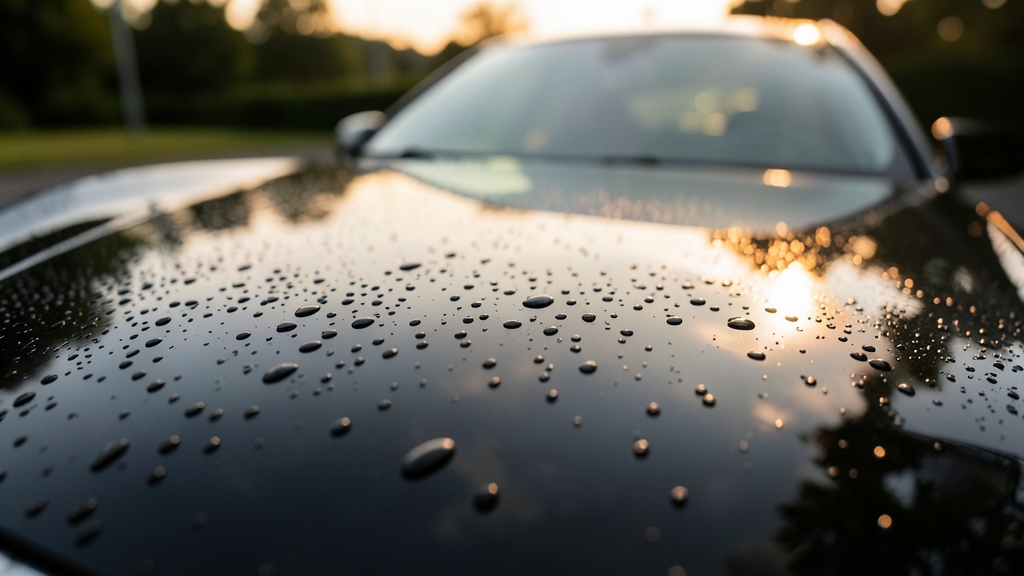
Denver’s high-altitude sun batters vehicle paint with relentless UV rays year-round. While ceramic coatings add a robust shield, UV exposure still plays a major role in how long that protection lasts and how well it performs. We break down the science, the risks, and the local strategies to keep your coating—and your paint—looking sharp.
Why Denver’s UV Intensity Is a Big Deal for Ceramic Coatings
At 5,280 feet, Denver receives up to 25% more UV radiation than sea-level cities. This accelerates oxidation and breaks down clear coats faster, even under a ceramic layer.
Ceramic coatings absorb and scatter UV rays, but prolonged exposure can degrade the nano-ceramic polymers over time, reducing gloss and hydrophobic behavior.
How UV Rays Break Down Automotive Paint—and How Coatings Fight Back
UV rays penetrate clear coats, causing photo-oxidation that fades paint and creates a chalky, dull finish. Ceramic coatings act as a sacrificial barrier, absorbing most of this energy.
High-quality coatings with 9H hardness and 80%+ SiO2 content resist UV better, but no coating is 100% UV-proof. The base paint’s condition before application matters just as much.
Always pair ceramic coating with professional paint correction. UV-damaged paint underneath will continue to degrade, compromising adhesion and longevity.
Ceramic Coating UV Resistance: What the Specs Actually Mean
Not all ceramic coatings are built the same. Budget coatings may claim UV protection but lack the nano-ceramic density to sustain it in Denver’s climate.
Premium coatings like Gyeon, Ceramic Pro, and Modesta use multi-layered formulas with UV inhibitors. These can last 5–7 years with proper care, even under heavy sun.
| Coating Type | UV Resistance Level | Typical Longevity in Denver | Maintenance Needs |
|---|---|---|---|
| Consumer-Grade Spray | Low | 6–12 months | Frequent reapplication |
| Entry-Level Professional | Moderate | 2–3 years | Annual inspections |
| High-End Nano-Ceramic | High | 5–7+ years | Bi-annual maintenance washes |
| Hybrid (Ceramic + PPF) | Very High | 7–10+ years | Professional detailing every 1–2 years |
Signs Your Ceramic Coating Is Losing the UV Battle
Water beading starts to weaken or disappears entirely. This means the hydrophobic layer is breaking down, often due to UV and environmental contaminants.
Gloss fades unevenly, or swirl marks reappear more easily. UV degrades the coating’s self-healing properties, making it less resistant to minor scratches.
Paint underneath looks duller, especially on horizontal surfaces like hoods and roofs. This suggests UV penetration through a thinning coating.
When to Recoat
- Water no longer beads after a wash
- Visible oxidation or fading on high-exposure panels
- Coating feels rough or gritty to the touch
- More frequent swirl marks or marring
Denver-Specific Threats Beyond UV: Heat, Hail, and Altitude
UV isn’t the only enemy. Denver’s temperature swings—from 90°F days to near-freezing nights—cause thermal expansion, stressing the coating’s bond with the paint.
Hail is a constant risk in the Front Range. While ceramic coatings add scratch resistance, they won’t stop hail damage. Pairing with paint protection film (PPF) in areas like Aurora or Commerce City is a smart move.
For maximum UV and impact protection, apply PPF to high-risk areas (hood, fenders, mirrors) and ceramic coating over the entire vehicle. This combo is popular for fleet and commercial vehicles in Wheat Ridge and Lakewood.
Maintenance Routines to Extend Your Coating’s UV Defense
Wash your vehicle every 2 weeks with a pH-neutral shampoo. Denver’s dust and pollen can etch into the coating if left too long, accelerating UV damage.
Use a ceramic-specific spray sealant every 3–4 months to refresh hydrophobic properties. Avoid wax—it can leave residues that interfere with the coating’s performance.
Park in a garage or under a cover whenever possible. Even a few hours of shade daily can double your coating’s effective lifespan in Denver’s climate.
Can You Apply Ceramic Coating Over Existing UV Damage?
No. Ceramic coatings bond to the clear coat, not the paint itself. If UV has already oxidized the clear coat, the coating won’t adhere properly and will fail prematurely.
This is why paint correction and polishing are non-negotiable before any ceramic application. In Englewood or Lakewood, where older vehicles are common, this step is often the most time-consuming.
Applying ceramic over damaged paint locks in the flaws. The coating will amplify, not hide, swirls and oxidation. Always correct first.
How to Inspect Your Ceramic Coating for UV Damage
A quick at-home check can reveal if your coating is still protecting your paint from Denver’s harsh sun.
- 1Test Water Beading
Spray water on a clean, dry panel. If it beads tightly and rolls off, your hydrophobic layer is intact. If it sheets or leaves spots, the coating is degrading.
- 2Check for Gloss Loss
Compare the shine on high-exposure areas (hood, roof) to low-exposure areas (door jambs). Dullness in sun-exposed zones signals UV wear.
- 3Run the Finger Test
Gently drag a clean finger across the surface. A healthy coating feels slick. Roughness or drag means contaminants or UV breakdown.
- 4Inspect for Swirl Marks
Wash the car and examine under direct light. If swirls appear more visible than before, the coating’s scratch resistance is fading.
- 5Look for Color Fading
Compare paint depth on different panels. UV damage often causes uneven fading, especially on red, black, or metallic finishes.
Frequently Asked Questions
Does ceramic coating completely block UV rays in Denver?
No coating blocks 100% of UV rays, but high-end nano-ceramic coatings can absorb and scatter 90%+ of UV radiation. The remaining 10% still affects the paint over time, which is why prep and maintenance are critical.
How often should I reapply ceramic coating in Denver’s climate?
Entry-level coatings may need reapplication every 1–2 years. Premium coatings last 5–7 years, but annual inspections are wise. Factors like parking habits, wash frequency, and whether you use PPF in high-impact areas (like hail-prone Commerce City) all play a role.
Can I apply ceramic coating myself to save money in Ceramic Coating Denver?
DIY spray coatings are an option, but they lack the durability and UV resistance of professional-grade products. For Denver’s conditions, we recommend professional application—especially for full-vehicle or fleet jobs—to ensure proper prep, bonding, and longevity.
Will ceramic coating prevent my paint from fading in Denver’s sun?
It significantly slows fading by absorbing UV rays, but it’s not a permanent shield. The coating itself can degrade over time, and underlying paint condition matters. Pairing with PPF on sun-exposed panels adds another layer of defense.
What ceramic coating works well for UV protection in high-altitude areas like Denver?
Look for coatings with high SiO2 (silicon dioxide) content—80% or more—and added UV inhibitors. Brands like Gyeon Mohs, Ceramic Pro 9H, and Modesta BC-08 are top choices for their UV resistance and longevity in extreme climates.
Does ceramic window tint help with UV protection inside the car?
Yes. Ceramic window tint blocks up to 99% of UV rays, protecting your interior from fading and cracking. It’s a great complement to exterior ceramic coatings, especially for vehicles frequently parked outdoors in Aurora or Wheat Ridge.