Why Skipping Paint Correction Ruins Your Ceramic Coating in Denver in Ceramic Coating Denver, CO
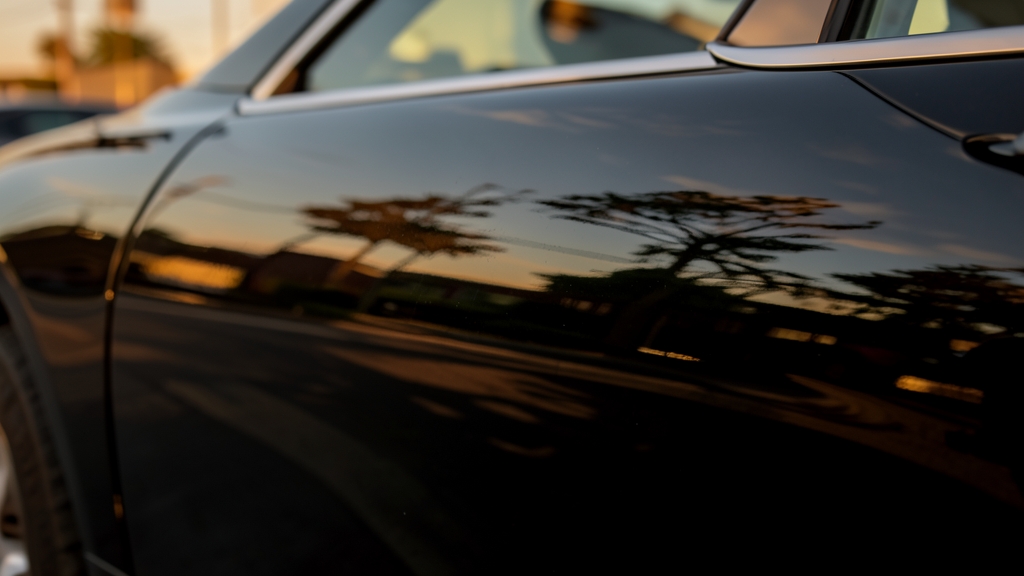
Ceramic coatings bond permanently to your vehicle’s clear coat—flaws and all. Without paint correction first, every swirl, scratch, and water spot gets locked in under a glossy, unfixable layer. In Denver’s high-altitude sun and harsh winters, that’s a recipe for a coat that looks worse, not better, over time.
Ceramic Coatings Amplify Imperfections, Not Hide Them
A ceramic coating isn’t a filler or a cover-up. It’s a transparent, ultra-thin layer that adheres to the existing surface. If your paint has swirl marks from improper washing or oxidation from Denver’s intense UV, the coating will make those flaws more noticeable under direct light.
The hydrophobic effect of a quality coating actually highlights imperfections. Water beads roll off the high spots, but they cling to low spots like scratches, drawing the eye right to the damage. That’s the opposite of the mirror-like finish most drivers expect.
Denver’s Climate Accelerates Paint Damage
At 5,280 feet, UV rays are 25% stronger here than at sea level. Without correction, existing oxidation and fading worsen faster under a ceramic coating, which can’t stop UV penetration—it only adds a sacrificial layer on top of already damaged paint.
Winter brings road salt, sand, and temperature swings that expand and contract micro-cracks. A coating applied over uncorrected paint won’t prevent these issues; it’ll just seal them in, making future paint correction far more labor-intensive.
Denver’s elevation means clearer skies and more UV exposure year-round. A coating over oxidized paint won’t reverse damage—it’ll preserve it permanently.
The Science: How Ceramic Coatings Bond to Paint
Ceramic coatings use silicon dioxide (SiO2) or titanium dioxide (TiO2) nanoparticles to form a covalent bond with the clear coat. This bond is molecular—it won’t fill gaps or level uneven surfaces. If the substrate isn’t smooth, the coating can’t achieve optimal adhesion or durability.
Proper paint correction removes a micron-thin layer of clear coat to eliminate defects. This creates a clean, uniform surface for the coating to bond to, ensuring maximum longevity and hydrophobic performance.
Paint Correction vs. Ceramic Coating: What Each Actually Does
Paint correction is a multi-step process—washing, decontamination, clay bar treatment, compounding, and polishing—to remove defects and restore clarity. Ceramic coating, on the other hand, adds a protective layer but does nothing to fix underlying issues.
| Aspect | Paint Correction | Ceramic Coating |
|---|---|---|
| Primary Purpose | Repair paint defects (swirls, scratches, oxidation) | Protect and enhance existing paint |
| Process | Mechanical (compounding, polishing) | Chemical (nanoparticle bonding) |
| Durability | Permanent (removes clear coat material) | 2–5+ years (sacrificial layer) |
| Gloss Enhancement | Immediate, dramatic | Enhances existing gloss |
| Protection | None (exposes fresh clear coat) | UV, chemical, scratch resistance |
| Preparation Required | Thorough washing, decontamination | Paint correction, decontamination |
What Happens If You Skip Paint Correction in Denver?
Applying a coating over swirls or water spots traps contaminants and defects under the layer. Over time, these imperfections become more pronounced as the coating cures and the paint continues to degrade underneath.
In areas like Aurora or Lakewood, where vehicles face heavy road grime and industrial fallout, skipping correction means embedding these particles into your paint forever. Even professional detailers can’t remove them without stripping the coating and re-correcting the paint.
For commercial vehicles in Commerce City or Englewood, paint correction before coating is critical. Fleet vehicles accumulate more mileage and exposure, making defects more severe and widespread.
The Ideal Prep Workflow for Ceramic Coating in Denver
Start with a thorough wash using pH-neutral soap to remove surface dirt. Next, use a clay bar to pull embedded contaminants like tar or industrial pollutants from the clear coat.
Follow with a two-step compound and polish to eliminate swirls, scratches, and oxidation. This step is non-negotiable for achieving a glass-like finish. Finally, use a prep spray to remove any remaining oils or residues before applying the ceramic coating.
Essential Pre-Coating Steps
- Two-bucket wash with grit guards
- Iron decontamination spray (removes brake dust, rail dust)
- Clay bar treatment (lubricated surface)
- Paint thickness measurement (ensure safe correction depth)
- Compounding (heavy defect removal)
- Polishing (refine to high gloss)
- Final wipe-down with IPA or coating prep spray
When Paint Correction Isn’t Enough: PPF as an Alternative
For vehicles with deep scratches or rock chips—common on Wheat Ridge highways—paint correction alone may not suffice. In these cases, Paint Protection Film (PPF) can be applied to high-impact areas before ceramic coating.
PPF provides a physical barrier against chips and scratches, while the ceramic coating adds hydrophobic and UV-resistant properties on top. This hybrid approach is popular for luxury or high-mileage vehicles in Denver’s varied terrain.
How Long Does Paint Correction + Ceramic Coating Last in Denver?
With proper prep, a professional ceramic coating can last 3–5 years or more, even in Denver’s harsh conditions. Paint correction, however, is permanent—once the clear coat is leveled, it won’t revert unless new damage occurs.
Factors like parking location (garage vs. street), washing habits, and exposure to elements will affect longevity. Vehicles in Lakewood or Englewood, where hail is common, may require more frequent touch-ups.
How to Inspect Your Paint Before Ceramic Coating
A quick self-inspection can reveal whether your vehicle needs paint correction before coating.
- 1Wash and Dry Thoroughly
Use a high-quality car shampoo and microfiber towels to remove surface dirt. Work in a shaded area to prevent water spots.
- 2Check for Swirl Marks
Run your fingers lightly over the paint. If you feel rough or uneven areas, swirl marks are present. Use a flashlight at an angle to spot them visually.
- 3Look for Oxidation
Oxidized paint appears dull or chalky, especially on horizontal surfaces like the hood or roof. This is common on older vehicles or those parked outside in Denver’s sun.
- 4Test for Contaminants
After washing, run a clay bar (lubricated with detail spray) over a small section. If the clay picks up grit or feels rough, your paint needs decontamination.
- 5Assess Scratches and Chips
Use your fingernail to check depth. If it catches, the scratch has penetrated the clear coat and may require compounding or PPF.
- 6Consult a Professional
For an accurate assessment, visit a local detailer. They can measure paint thickness and recommend the right correction level for your vehicle.
Frequently Asked Questions
Can I apply ceramic coating over old wax or sealant in Denver?
No. Wax or sealant residue will prevent the ceramic coating from bonding properly. A thorough decontamination and paint correction are required to remove all previous products. Skipping this step risks poor adhesion and reduced durability, especially in Denver’s temperature swings.
How much does paint correction cost before ceramic coating in Ceramic Coating Denver?
Cost varies based on vehicle size, paint condition, and correction level (1-step vs. 3-step). Heavy oxidation or deep scratches require more labor and time. For an accurate estimate, request a quote—local shops in Aurora or Lakewood often provide detailed assessments.
Will ceramic coating fix my faded paint in Denver’s sun?
No. Ceramic coating protects and enhances existing paint but won’t restore color or reverse fading. Paint correction can temporarily improve gloss, but severely faded paint may need respraying before coating. Denver’s UV intensity makes this a common issue for older vehicles.
How soon can I wash my car after ceramic coating in Denver?
Wait at least 7–10 days to allow the coating to fully cure. Denver’s dry climate can speed up the process, but premature washing can disrupt bonding. Use a pH-neutral soap and avoid automatic car washes with harsh brushes.
Is paint correction necessary for new cars before ceramic coating?
Often, yes. Even new cars can have swirl marks from dealership prep or rail dust from transport. A light polish ensures the surface is pristine before coating. For vehicles in Commerce City or Wheat Ridge, this step helps combat early exposure to road grime.
Can I do paint correction myself before ceramic coating?
DIY paint correction is possible for minor defects, but it carries risks. Over-compounding can thin the clear coat, especially on edges or curves. For best results—and to avoid costly mistakes—leave it to professionals with experience in Denver’s climate.