How to Spot a High-Quality Ceramic Coating Installation in Ceramic Coating Denver
Not all ceramic coatings are created equal. In Denver’s harsh climate—with intense UV, hail risk, and road salt—only a flawless installation delivers lasting protection. We’ll show you the telltale signs of a premium job, so you can confidently choose a provider that stands behind their work.
Why Installation Quality Matters More Than the Product
Even the best nano-ceramic polymers fail if applied incorrectly. Poor prep or uneven layering leads to peeling, hazing, or premature degradation—especially under Colorado’s temperature swings.
A high-quality installation starts with meticulous paint correction. Swirl marks, oxidation, or embedded contaminants must be fully addressed before the first coat touches the surface.
The Non-Negotiable: Surface Preparation
True professionals begin with a multi-stage decontamination: iron removal, clay bar treatment, and IPA wipe-down to eliminate oils and residues. Skip this, and the coating won’t bond properly.
Paint thickness measurements are critical. Over-polishing thins clear coat; under-polishing leaves defects trapped beneath the ceramic layer. We use precision gauges to ensure safe, effective correction.
If a shop skips paint correction or rushes prep, walk away. In Denver’s sun, improper bonding accelerates failure within months.
What a Flawless Ceramic Coating Looks Like
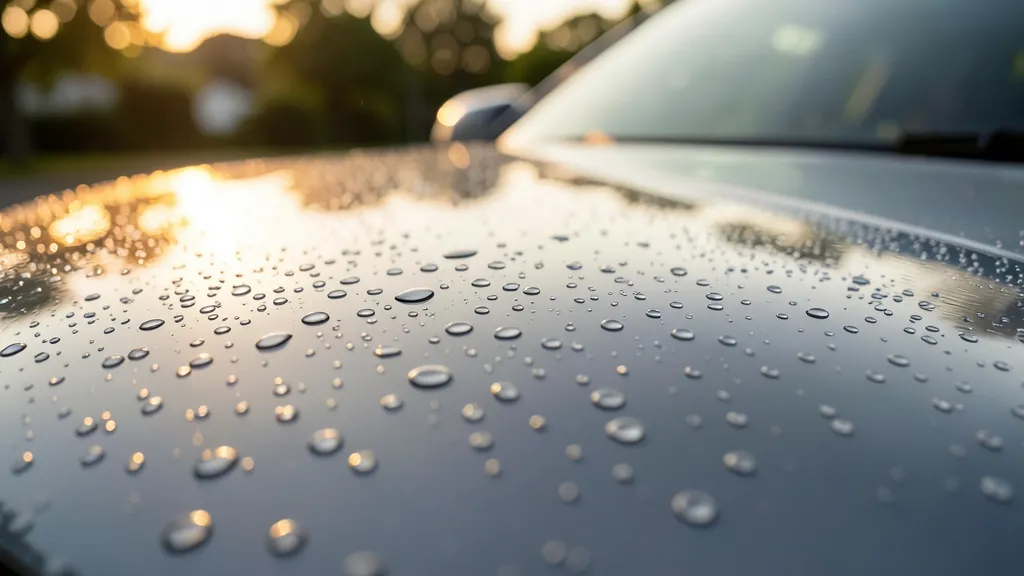
A premium installation delivers a mirror-like gloss with zero streaks or haze. Water should bead into tight, uniform droplets and sheet off effortlessly—this is the hydrophobic effect in action.
Check for consistent color depth across all panels. Uneven application or missed spots often appear duller under direct light, a dead giveaway of amateur work.
Hydrophobic vs. Hydrophilic: The Water Test
High-quality ceramic coatings repel water aggressively. After application, water should bead up and roll off, taking dirt with it. This self-cleaning effect reduces the need for frequent washes.
Poor installations may show water spreading or flat beading. In Denver’s dusty conditions, this means more frequent cleaning and less protection against water spots.
| Property | High-Quality Installation | Poor Installation |
|---|---|---|
| Water Beading | Tight, uniform beads | Flat or irregular beads |
| Sheeting Action | Water sheets off quickly | Water lingers or spreads |
| Self-Cleaning Effect | Dirt lifts away with water | Dirt clings to surface |
Durability: The Long-Term Proof
A well-applied ceramic coating in Denver should resist UV fading, chemical stains, and light scratches for years. Look for warranties backing 2–5 years of protection—this signals confidence in the work.
Ask about layering. Single-layer applications may suffice for daily drivers, but high-end or fleet vehicles often benefit from multiple coats for enhanced durability.
Request a small test area first. A true expert will happily demonstrate beading and gloss on a section before committing to the full vehicle.
Common Mistakes in DIY and Low-End Shops
DIY kits often lack the prep tools and expertise for a lasting finish. Improper curing—like exposing the car to rain or sun too soon—can ruin the bond before it even sets.
Low-end shops may cut corners by skipping paint correction or using low-grade polymers. In areas like Aurora or Lakewood, where road grime is heavy, this leads to rapid degradation.
Beyond Paint: Full-Vehicle Protection
A top-tier provider doesn’t stop at the body. Wheel and brake caliper ceramic coatings resist brake dust and corrosive salts, critical for Denver’s winter roads.
Interior ceramic protection guards against UV damage and stains on dashboards and leather, while headlight restoration and coating prevent yellowing and improve nighttime visibility.
Areas to Inspect for Complete Protection
- Full exterior paint and clear coat
- Wheels and brake calipers
- Front windshield and windows (ceramic tint or coating)
- Interior surfaces (dash, leather, plastics)
- Headlights and taillights
How to Verify a Ceramic Coating Installation Before You Drive Off
Use this quick checklist to confirm your vehicle received a professional-grade ceramic coating.
- 1Inspect the Finish
Under bright light, check for uniform gloss and zero swirl marks. Any haze or dull spots indicate poor prep or application.
- 2Perform the Water Test
Mist water on the surface. High-quality coatings will bead tightly and sheet off. Flat beading or water spreading is a red flag.
- 3Check for Missed Spots
Run your fingers (gently) over edges, seams, and trim. A thorough job covers every exposed surface, including door jams and under mirrors.
- 4Review the Warranty
A reputable shop provides a written warranty covering durability and defects. Ensure it specifies the coating brand and expected lifespan.
- 5Ask About Curing
Confirm the vehicle was cured indoors for the recommended time (usually 24–48 hours). Premature exposure to elements can compromise bonding.
Frequently Asked Questions
How long does a professional ceramic coating last in Denver?
With proper prep and application, a high-quality ceramic coating lasts 2–5 years in Denver’s climate. Longevity depends on maintenance, exposure to harsh elements, and the number of layers applied. Request a quote to discuss options tailored to your vehicle.
Can ceramic coating be applied over existing paint protection film (PPF)?
Yes, but the PPF must be clean and fully cured. Ceramic coating adds hydrophobic properties and UV resistance to PPF, extending its life. Many clients in Commerce City or Wheat Ridge combine both for maximum protection.
Why do some ceramic coatings fail prematurely?
Premature failure usually stems from poor surface prep, incorrect product application, or exposure to contaminants during curing. Denver’s temperature swings and road salt can accelerate issues if the coating isn’t properly bonded.
Is ceramic coating worth it for older vehicles?
Absolutely, if the paint is in good condition. Paint correction can restore clarity, and ceramic coating will preserve it. For vehicles with heavy oxidation or peeling clear coat, a full correction may be needed first.
How does ceramic coating compare to wax or sealants?
Ceramic coatings outlast wax or sealants by years, not months. They provide superior UV protection, chemical resistance, and hydrophobic properties. Wax and sealants are temporary solutions, while ceramic coatings offer long-term, low-maintenance protection.