Ceramic Coating vs. Sealants for UV Protection in Ceramic Coating Denver
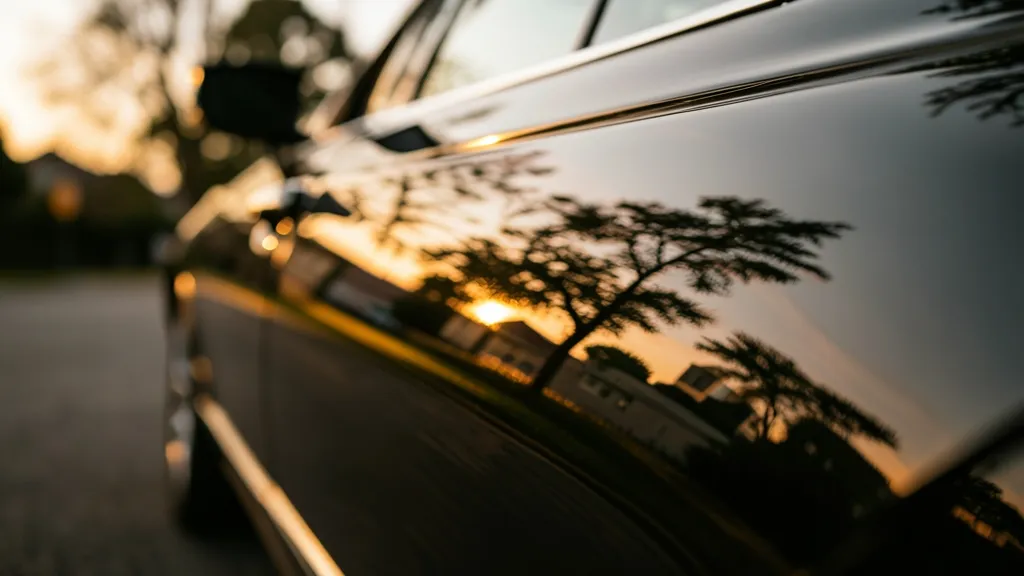
Denver’s high-altitude sun and wild temperature swings put your vehicle’s paint to the test. We break down how ceramic coatings and traditional sealants stack up in UV defense, so you can decide which protection fits your ride—and our local conditions.
Why UV Protection Matters for Denver Drivers
At 5,280 feet, Denver’s UV index is up to 25% stronger than at sea level. That means faster paint oxidation, fading, and clear coat breakdown if your finish isn’t properly shielded.
Unlike coastal areas, our dry air and intense sunlight accelerate damage year-round, not just in summer. Even winter sun reflects off snow, doubling UV exposure for your vehicle.
How Ceramic Coatings Block UV Rays
Ceramic coatings form a permanent nano-ceramic layer bonded to your clear coat. The SiO2 and TiO2 particles create a physical barrier that reflects and scatters UV radiation, preventing it from penetrating the paint.
This isn’t just a surface treatment. The coating’s molecular structure absorbs and dissipates UV energy, reducing heat buildup and slowing oxidation at a chemical level.
In places like Lakewood or Wheat Ridge, a ceramic coating’s UV resistance lasts 2–5 years—far longer than sealants. Pair it with Paint Protection Film for ultimate defense against rock chips and sun damage.
The Limitations of Synthetic Sealants
Synthetic sealants (like polymer-based products) provide a sacrificial layer that sits on top of the paint. They offer decent UV protection but degrade quickly under Denver’s sun, typically lasting 4–6 months.
While they’re easier to apply and more affordable upfront, sealants lack the depth of protection ceramics provide. They also require frequent reapplication, especially after harsh winters or hail season in Commerce City.
Ceramic Coating vs. Sealants: Head-to-Head Comparison
Not all protection is created equal. Below, we compare key factors that matter most to Denver drivers, from longevity to how each handles our unique climate.
| Feature | Ceramic Coating | Synthetic Sealant |
|---|---|---|
| UV Protection Level | Excellent (90-95% UV block) | Good (60-70% UV block) |
| Longevity | 2–5 years | 4–6 months |
| Hydrophobic Properties | Extreme (self-cleaning effect) | Moderate (water beads briefly) |
| Heat Resistance | Up to 1,800°F | Up to 400°F |
| Application Complexity | Requires paint correction & professional install | DIY-friendly |
| Maintenance | Low (annual inspection recommended) | High (reapply 2x/year) |
Real-World Performance in Denver’s Climate
In Aurora and Englewood, we see ceramic-coated vehicles retain gloss and color depth for years, even with daily sun exposure. Sealants, while effective short-term, often need touch-ups after a single summer.
Ceramic coatings also resist hail damage better than sealants. While they won’t stop dents, the hardened layer prevents paint chipping from minor impacts—common during our spring storms.
Applying a sealant over a failing clear coat won’t fix UV damage. For heavily oxidized paint, we always recommend Paint Correction & Polishing before any protective layer.
Cost Factors: What Drives the Price Difference?
Ceramic coatings cost more upfront due to labor-intensive prep work, including Paint Correction & Polishing to ensure a flawless bond. The coating itself uses advanced nano-ceramic polymers, which are pricier than synthetic sealants.
Sealants are cheaper initially but add up over time with frequent reapplication. For long-term value in Ceramic Coating Denver, ceramics often win—especially for luxury or fleet vehicles in Wheat Ridge or Commerce City.
Beyond UV: Additional Benefits of Ceramic Coatings
UV protection is just the start. Ceramic coatings repel water, mud, and road grime, making washing easier. Their hydrophobic properties also reduce water spots—a big plus in Denver’s hard water areas.
They resist chemical stains from bird droppings, bug splatter, and even road salt used in winter. For full protection, consider adding Ceramic Window Tint or Wheel & Brake Caliper Ceramic Coating.
When a Sealant Might Be the Right Choice
Sealants shine for short-term protection or budget-conscious drivers. They’re ideal for lease returns, rental fleets, or vehicles you plan to sell soon. In Ceramic Coating Denver, we often recommend them for classic cars stored in garages.
They’re also a good temporary solution if your paint needs correction but you’re not ready for a full ceramic install. Just don’t expect them to last through a Colorado winter without reapplication.
Sealants Work Best For:
- Leased or short-term vehicles
- Budget-focused protection
- DIY enthusiasts
- Temporary UV shielding before ceramic coating
How to Choose Between Ceramic Coating and Sealants
Use this step-by-step guide to pick the right UV protection for your vehicle and driving habits.
- 1Assess Your Vehicle’s Condition
Check for oxidation, swirl marks, or clear coat failure. If your paint needs restoration, opt for Paint Correction & Polishing before applying any protective layer.
- 2Determine Your Budget and Timeline
Ceramic coatings are a long-term investment, while sealants offer immediate, low-cost protection. Request a quote to compare options.
- 3Consider Your Driving Habits
Daily drivers in high-UV areas like Aurora or Lakewood benefit most from ceramic coatings. Weekend cruisers or garage-kept cars may do fine with sealants.
- 4Evaluate Maintenance Willingness
Ceramic coatings require minimal upkeep. Sealants need reapplication every few months, which adds to long-term costs and effort.
- 5Think About Additional Protection
For maximum defense, pair your choice with Paint Protection Film for impact resistance or Ceramic Window Tint to block UV rays inside the cabin.
Frequently Asked Questions
How long does a ceramic coating last in Denver’s climate?
With proper care, a professional ceramic coating lasts 2–5 years in Denver. Our high-altitude sun and temperature swings can shorten this slightly, but annual inspections help maintain performance.
Can I apply a ceramic coating over an existing sealant?
No. Sealants must be fully removed before ceramic coating application. Any residue will prevent the coating from bonding properly to the clear coat, reducing its effectiveness and longevity.
Do ceramic coatings prevent hail damage in Commerce City?
Ceramic coatings add a hard, protective layer that resists minor scratches and chips, but they won’t stop hail dents. For hail-prone areas, we recommend combining a ceramic coating with Paint Protection Film.
Are ceramic coatings worth it for older cars in Ceramic Coating Denver?
It depends on the paint’s condition. If your older vehicle has significant oxidation or clear coat failure, Paint Correction & Polishing may be needed first. For well-maintained classics, ceramics can restore and preserve the finish.
How do I maintain a ceramic-coated car in Denver?
Wash your vehicle regularly with a pH-neutral car shampoo and avoid automatic car washes with harsh brushes. Use a ceramic-safe detail spray to enhance hydrophobicity, and inspect the coating annually.
Can I apply a ceramic coating myself, or should I hire a pro in Lakewood?
DIY ceramic coating kits exist, but professional installation ensures proper surface prep and even application. Mistakes can lead to streaks, poor bonding, or reduced UV protection—especially in our climate.