Ceramic Coating vs. PPF: Best Long-Term Protection for Denver’s Harsh Weather in Ceramic Coating Denver
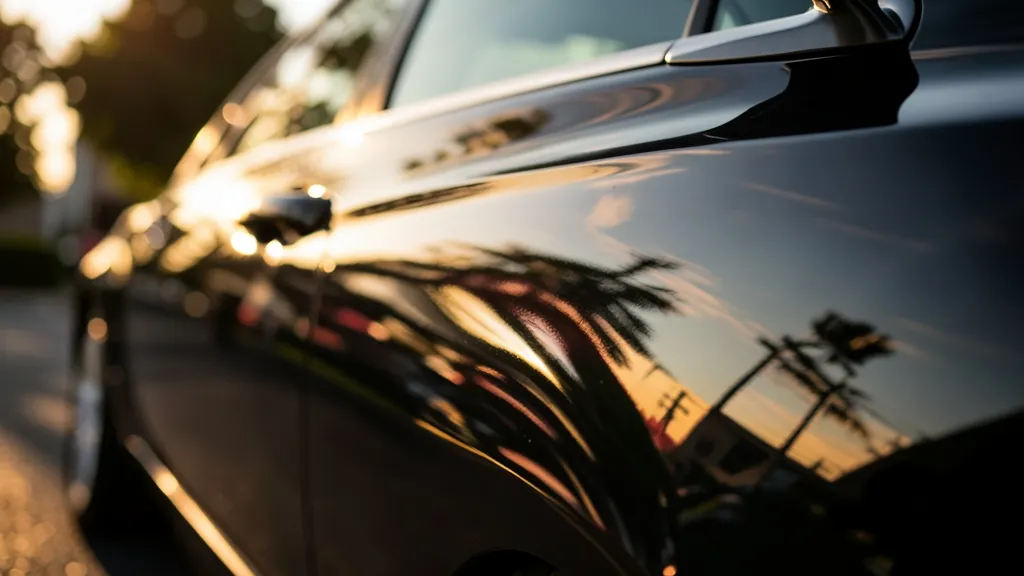
Denver’s high-altitude sun, sudden hailstorms, and winter road salt put your vehicle’s finish to the test. Choosing between ceramic coating and paint protection film (PPF) isn’t just about shine—it’s about long-term defense. We break down the real differences so you can pick the right armor for your ride.
Why Denver’s Climate Demands More Than Wax
At 5,280 feet, UV rays are 25% stronger here than at sea level, accelerating paint oxidation and fading. Wax or sealants last weeks; ceramic coatings and PPF last years.
Hail season runs April to August, and road salt in winter etches clear coat. Both ceramic coatings and PPF shield against these, but in different ways.
Ceramic Coating: The Invisible Shield
A liquid polymer applied to your paint, ceramic coating chemically bonds to create a hydrophobic, 9H-hardness layer. It repels water, dirt, and contaminants while enhancing gloss.
It resists UV fading, minor scratches, and chemical stains from bird droppings or bug splatter. Ideal for daily drivers in Aurora, Lakewood, or Englewood who want low-maintenance protection.
Maintenance is easier: dirt washes off with less effort, and the coating lasts 2–5 years with proper care. But it won’t stop rock chips or deep scratches.
Pair ceramic coating with paint correction first. Swirl marks and imperfections get locked in otherwise.
Paint Protection Film (PPF): The Physical Barrier
PPF is a thick, self-healing urethane film applied to high-impact areas like hoods, bumpers, and fenders. It absorbs impacts from road debris, hail, and even minor collisions.
Modern PPF is nearly invisible and can be paired with a ceramic coating on top for added hydrophobic properties. It’s the go-to for Commerce City or Wheat Ridge drivers facing gravel roads or frequent hail.
Downside? PPF can yellow over time (though high-quality films resist this) and requires precise installation to avoid edges peeling.
Head-to-Head: Ceramic Coating vs. PPF
Both protect, but their strengths differ. Ceramic coating excels at chemical resistance and ease of cleaning, while PPF wins for physical impact protection.
| Feature | Ceramic Coating | PPF |
|---|---|---|
| Protection Type | Chemical & UV barrier | Physical impact barrier |
| Durability | 2–5 years | 5–10 years |
| Self-Healing | No (unless hybrid) | Yes (minor scratches) |
| Hydrophobic | Yes (highly) | Moderate (better with ceramic top coat) |
| Rock Chip Resistance | Low | High |
| UV Protection | Excellent | Excellent |
| Maintenance | Low (easy washing) | Moderate (edges need care) |
| Best For | Full-vehicle gloss, daily drivers | High-impact areas, hail-prone zones |
Where Each Shines in the Denver Metro
Ceramic coating is perfect for full-vehicle applications in Lakewood or Englewood, where UV exposure and city driving dominate. It keeps your paint looking fresh with minimal upkeep.
PPF is a must for Wheat Ridge or Commerce City, where gravel roads and hailstorms are common. Focus it on front-end panels or the entire vehicle for maximum defense.
For ultimate protection, combine both: PPF on high-impact zones and ceramic coating everywhere else. This hybrid approach is popular for luxury or fleet vehicles.
Denver’s rapid temperature swings can stress adhesives. Always choose a professional installer with climate-controlled bays.
Cost Factors: What Drives the Investment?
Ceramic coating costs vary by vehicle size, paint condition, and product tier. A full-vehicle coating in Ceramic Coating Denver requires paint correction first, adding to the total.
PPF pricing depends on coverage area (partial vs. full), film quality, and complexity of the install. Full-front PPF is common, but full-vehicle wraps are pricier due to labor intensity.
Neither is a one-size-fits-all expense. Request a quote to account for your car’s specifics and your protection goals.
Maintenance: Keeping Your Protection Intact
Ceramic-coated cars need only regular washing with pH-neutral soap. Avoid automatic car washes with harsh brushes—they can degrade the coating over time.
PPF requires gentle cleaning to prevent edge lifting. Use a microfiber cloth and avoid pressure washers too close to the film. For both, annual inspections help catch issues early.
Reapplying a ceramic top coat every 1–2 years can extend PPF’s hydrophobic properties and gloss.
Beyond Paint: Other Areas to Protect
Don’t stop at the body. Ceramic window tint reduces heat and UV inside the cabin, while wheel and brake caliper ceramic coatings resist brake dust and corrosion.
Interior ceramic protection guards dashboards and leather from UV cracking. For fleets or commercial vehicles, these add-ons extend resale value and reduce downtime.
Headlight restoration and coating improve visibility and prevent yellowing—a critical safety upgrade for Denver’s mountain roads.
Full-Vehicle Protection Checklist
- Paint correction before ceramic coating
- PPF on high-impact areas (hood, bumper, fenders)
- Ceramic coating on remaining paint and wheels
- Ceramic window tint for UV/heat rejection
- Interior ceramic protection for dash and seats
- Headlight restoration and coating
How to Decide Between Ceramic Coating and PPF for Your Denver Vehicle
Use this step-by-step guide to match your needs with the right protection.
- 1Assess Your Driving Conditions
Do you face frequent hail, gravel roads, or heavy sun exposure? PPF is ideal for physical impacts; ceramic coating suits UV and chemical threats.
- 2Define Your Budget and Goals
PPF is a bigger upfront investment but offers long-term impact protection. Ceramic coating is more affordable for full-vehicle coverage and easier maintenance.
- 3Inspect Your Paint
Swirl marks or oxidation? Paint correction is required before either service. A professional detailer can assess your paint’s condition.
- 4Consider Hybrid Protection
For maximum defense, combine PPF on high-risk areas with ceramic coating on the rest of the vehicle. This balances cost and coverage.
- 5Choose a Professional Installer
Denver’s climate demands expertise. Look for a shop with experience in high-altitude installs and a portfolio of local work.
- 6Plan for Maintenance
Both options require care. Ceramic coatings need gentle washing; PPF needs edge inspections. Schedule annual check-ups to extend lifespan.
Frequently Asked Questions
Can I apply ceramic coating over PPF?
Yes, and it’s a popular combo in Ceramic Coating Denver. The ceramic top coat enhances PPF’s hydrophobic properties and gloss while adding UV resistance. Just ensure the PPF is fully cured first.
How does Denver’s altitude affect ceramic coating performance?
Higher UV exposure means the coating’s UV-blocking properties are even more valuable here. However, the thinner air can cause some products to cure faster, so professional application is key.
Will PPF or ceramic coating prevent hail damage?
PPF offers the best hail protection, especially thicker films (8–10 mil). Ceramic coating won’t stop hail dents but can minimize paint damage from smaller impacts.
How often should I reapply ceramic coating in Denver?
With proper care, a quality ceramic coating lasts 2–5 years. Denver’s harsh conditions may shorten this slightly, so annual inspections help determine when a refresh is needed.
Is PPF worth it for a daily driver in Aurora or Lakewood?
If you frequently drive on highways or in areas with road debris, PPF on the front end is a smart investment. For city-only driving, ceramic coating may suffice.
Can I get a ceramic coating or PPF for my fleet vehicles in Commerce City?
Absolutely. Fleet and commercial vehicles benefit from both, especially PPF for high-mileage, high-impact use. Ceramic coatings reduce cleaning time and protect resale value.